Articles
Every article on this site, newest first. Each one states what the evidence covers and cites its sources at the end.
-
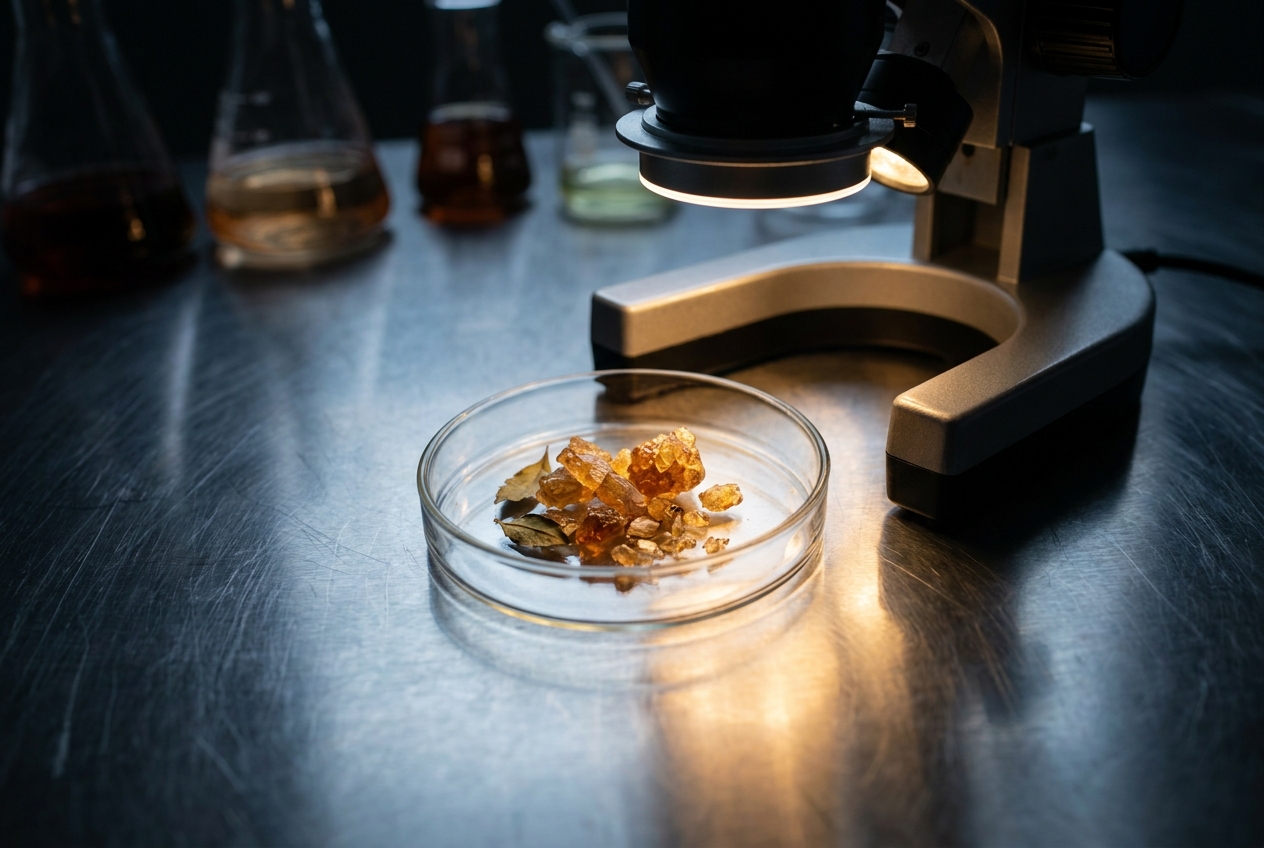
How Does Monolaurin Affect the Herpes Virus? A Look at the Science
Monolaurin targets the herpes simplex virus (HSV) by attacking its structural integrity. Research suggests it works by disintegrating the protective lipid envelope surrounding the virus, which prevents it from attaching to host cells.
-

How to Manage the Frequency of Herpes Outbreaks: Tracking Triggers and Immune Balance
To reduce the frequency and severity of herpes outbreaks, you must track your personal triggers and support your underlying immune system. Common flare-up triggers include chronic stress, direct UV light exposure, and diets high in L-arginine.
-

How Can You Support Your Body During Stressful Periods?
When you experience persistent physical or emotional stress, elevated cortisol levels directly suppress your immune system, creating an environment where dormant viruses can reactivate.
-

Is It a Herpes Outbreak or Just Skin Irritation?
A herpes outbreak typically begins with a deep, neuropathic tingling or burning known as a prodrome, caused by the virus traveling down nerves, followed by visible fluid-filled blisters.
-

Can You Transmit Herpes Without Visible Symptoms?
Yes, you can transmit herpes without visible symptoms. This occurs through a biological process called asymptomatic viral shedding. The virus temporarily reactivates and travels to the skin’s surface without causing sores or pain.
-

Best Monolaurin Dosage For Herpes: Understanding General Patterns
While individual needs vary, general educational patterns suggest a starting monolaurin dosage for herpes around 600 to 1,000 mg daily to avoid sudden detox reactions.
-

Understanding Home Remedies for Herpes: Mechanisms and Immune Support
Home remedies for HSV-1 and HSV-2 focus on supporting the immune system and altering the viral environment.
-
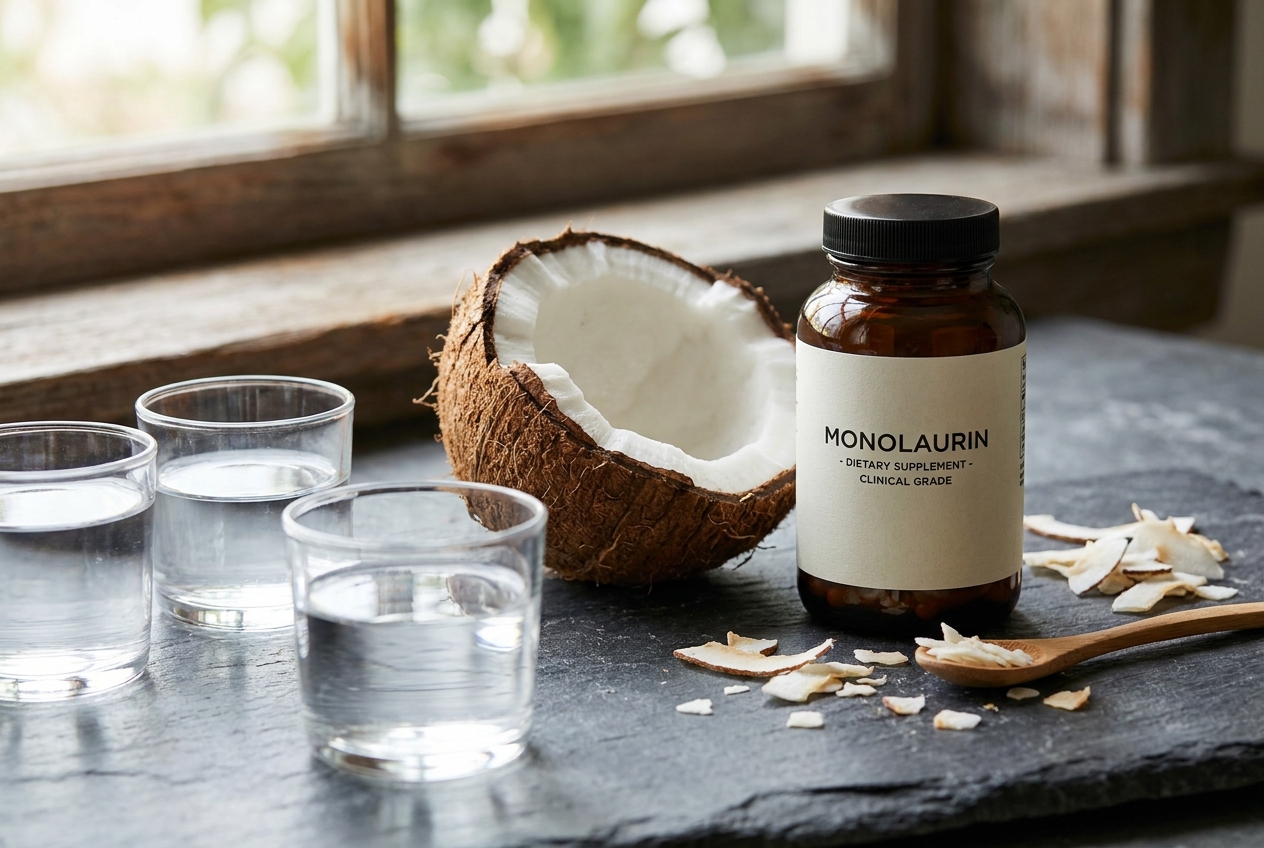
Understanding the Antiviral Benefits of Monolaurin
Monolaurin is a naturally occurring lipid derived from lauric acid that may support immune resilience. Its potential antiviral benefits stem from its ability to disrupt the protective lipid envelopes of certain viruses, including herpes simplex.
-

Herpes Outbreak Prevention Diet: Best Foods to Eat (and Avoid) for Immune Balance
To reduce herpes flare-ups, research suggests adopting a diet that balances specific amino acids by increasing L-lysine and restricting L-arginine. Arginine fuels the virus’s ability to replicate, while lysine competitively blocks its absorption.