TL;DR
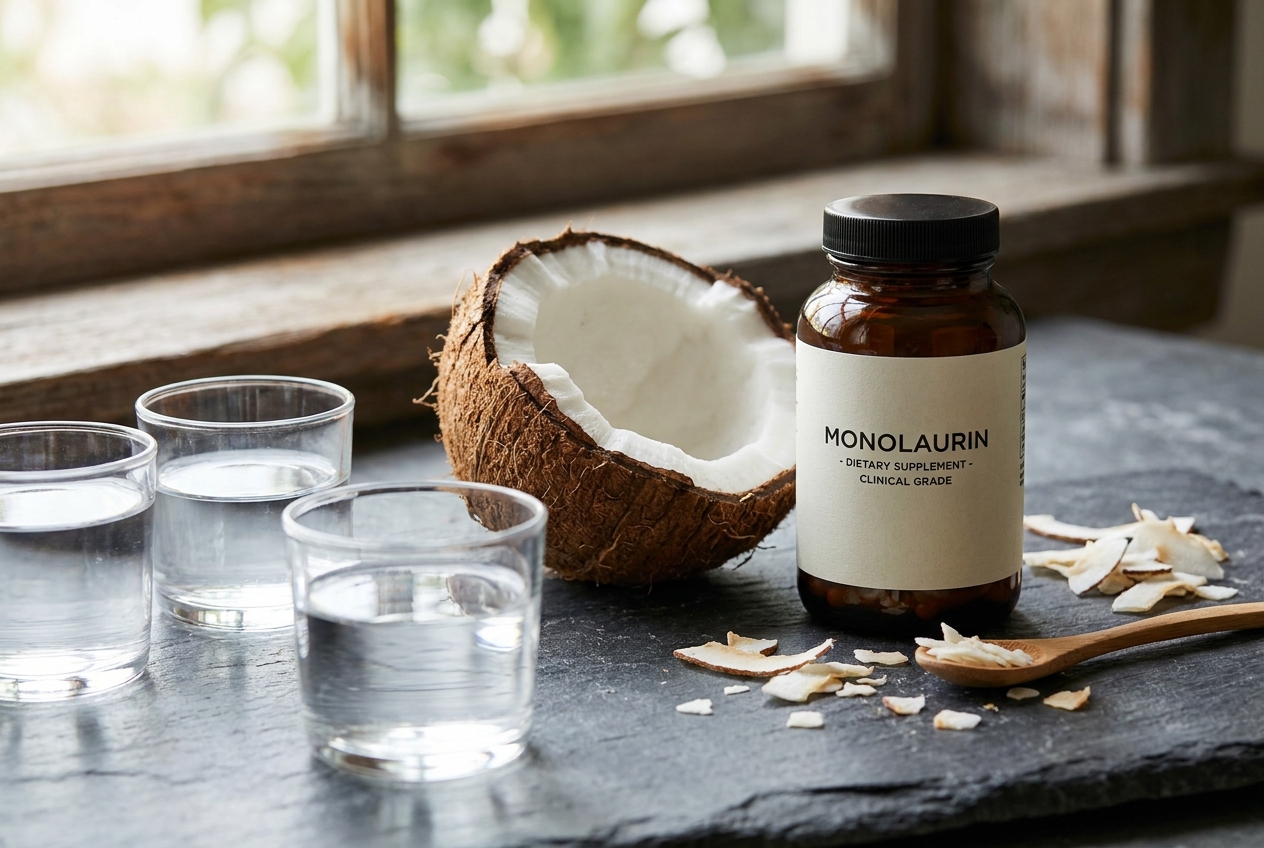
Monolaurin is a naturally occurring lipid derived from lauric acid that may support immune resilience. Its potential antiviral benefits stem from its ability to disrupt the protective lipid envelopes of certain viruses, including herpes simplex. By destabilizing these structures, monolaurin helps the body maintain optimal microbial balance naturally.
Key Takeaways
- Monolaurin originates from lauric acid and serves as a nutritional tool for supporting broad immune balance.
- The compound’s primary mechanism involves destabilizing the lipid envelopes of specific viruses, making them more vulnerable.
- While research explores monolaurin and herpes, it functions as a supportive supplement rather than a medical treatment.
- Factors like dosage, consistency, and overall immune health influence how effectively monolaurin benefits the body.
Introduction
The human immune system constantly works to identify and neutralize foreign challenges. When exploring natural ways to support this complex system, monolaurin frequently emerges as a topic of interest. Derived from lauric acid—a medium-chain fatty acid abundant in coconut oil—monolaurin is widely studied for its unique interactions with microbial structures. Understanding monolaurin antiviral properties requires looking beyond simple immune boosting. Instead, the focus is on how this compound directly interacts with the physical architecture of certain viruses. By exploring these structural interactions, individuals can make informed decisions about incorporating monolaurin into a broader strategy for microbial balance and long-term immune resilience.How Monolaurin Works Against Viruses
Viruses are generally categorized by their outer structures. Many common viruses, including the herpes simplex virus (HSV), possess a protective outer layer known as a lipid envelope. This envelope is crucial for the virus’s ability to survive, bind to host cells, and replicate.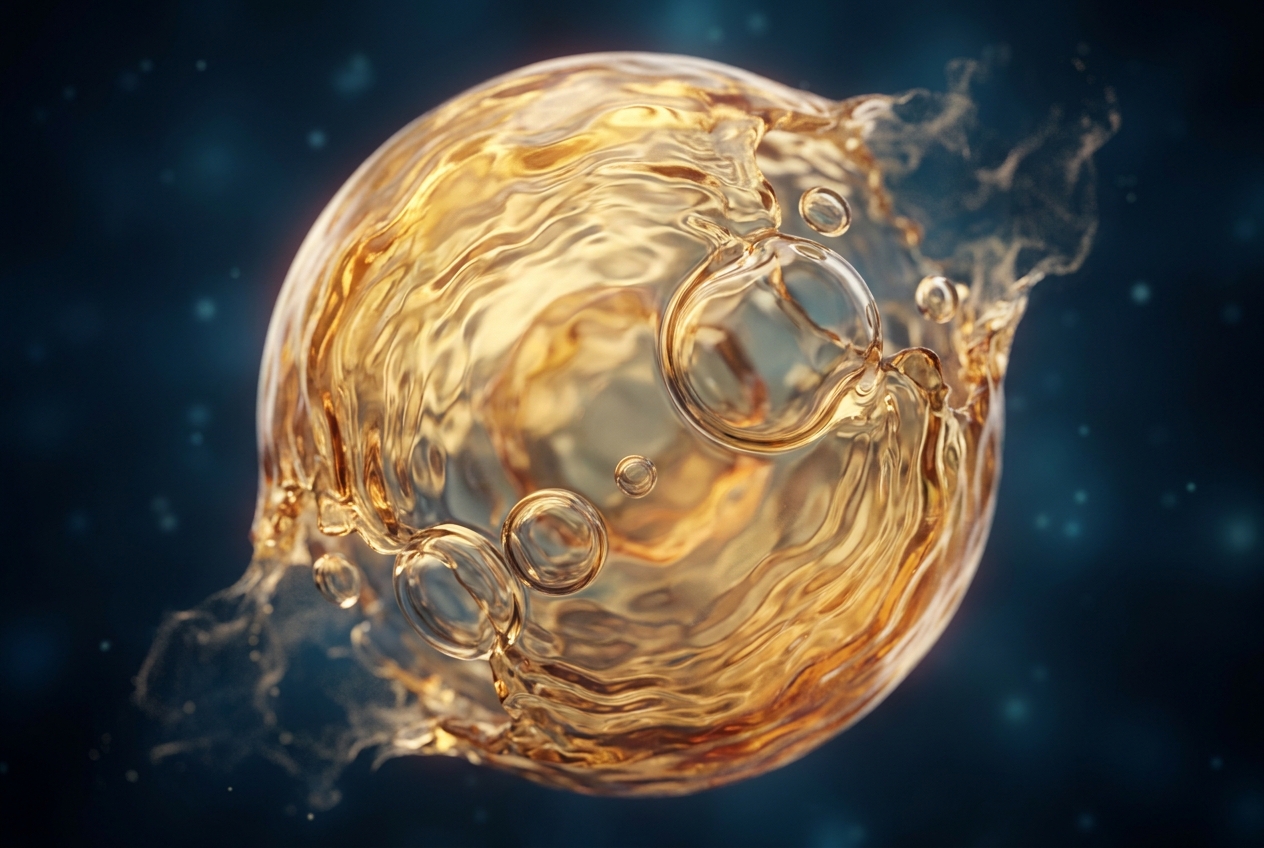
Destabilizing the Lipid Envelope
Monolaurin shares a similar chemical structure to the lipids that make up these viral envelopes. When introduced into the body, monolaurin may insert itself into the lipid envelope of the virus. This insertion disrupts the physical integrity of the viral membrane. Once the lipid envelope is compromised, the virus loses its ability to attach to healthy host cells. Without the ability to bind, the virus cannot inject its genetic material or initiate viral replication. This mechanism explains why many educational resources highlight how monolaurin works against viruses—it targets the structural foundation of the pathogen rather than stimulating the immune system itself. While this process is documented in laboratory and in vitro settings, human immune responses remain complex and individualized.Factors Influencing Monolaurin’s Antiviral Properties
The effectiveness of monolaurin in supporting immune balance depends on several variables. Understanding these factors helps clarify its role as a supportive supplement.- Dosage and Titration: The body requires time to adjust to new lipid introductions. Starting with a low dose and gradually increasing it allows the digestive system to process the supplement without temporary discomfort.
- Consistency: Structural interference with lipid envelopes requires a sustained presence of the compound. Sporadic use rarely yields observable monolaurin benefits.
- Viral Structure: Monolaurin specifically targets lipid-coated viruses. It has no structural mechanism to interact with non-enveloped viruses, making accurate identification of the viral challenge essential.
- Product Quality: The purity of the extraction process determines the active concentration. High-quality supplements ensure that the lauric acid has been fully converted into bioavailable monolaurin. When evaluating products, consider exploring dedicated sources like Shop Monolaurin for reliable options.

Frequently Asked Questions
Is monolaurin an effective natural antiviral?
Monolaurin demonstrates the ability to disrupt the lipid envelopes of specific viruses in laboratory studies. It acts as a supportive nutritional tool for immune balance rather than a guaranteed medical antiviral treatment.How does monolaurin affect the herpes virus?
The herpes simplex virus (HSV) relies on a lipid envelope to attach to host cells. Monolaurin may insert itself into this envelope, destabilizing the virus and potentially limiting its ability to replicate.Can monolaurin replace prescription antiviral medications?
No. Monolaurin is a dietary supplement designed to support overall microbial balance. It should not be viewed as a substitute for prescribed antiviral drugs or medical treatments.How long does monolaurin take to work?
Because monolaurin works by supporting cumulative immune resilience, noticeable effects typically require consistent daily use over several weeks. Immediate results are uncommon.
Summary
Exploring the antiviral benefits of monolaurin reveals a fascinating mechanism of action focused on structural disruption. By targeting the lipid envelopes of specific viruses, including herpes simplex, this compound offers a unique approach to maintaining microbial balance. It does not artificially stimulate the immune system but rather makes enveloped viruses structurally vulnerable. While laboratory findings are promising, monolaurin remains an educational and supportive tool. Integrating it into a daily routine requires consistency, appropriate dosage, and a holistic approach to immune health. Understanding these principles ensures that monolaurin is used effectively as part of a proactive strategy for long-term well-being.References
- Shop Monolaurin. (n.d.). Retrieved from https://www.shopmonolaurin.com/