
TL;DR
Yes, you can transmit herpes without visible symptoms. This occurs through a biological process called asymptomatic viral shedding. The virus temporarily reactivates and travels to the skin’s surface without causing sores or pain. Research suggests this microscopic shedding is the primary way the virus is passed to new partners.
Key Takeaways
- Asymptomatic viral shedding allows the herpes virus to spread even when your skin looks completely clear.
- The highest risk of unseen shedding occurs during the first year of infection and right after a visible outbreak.
- HSV-2 generally causes more frequent asymptomatic shedding days compared to HSV-1.
- Combining daily suppressive antivirals with immune support practices can significantly lower transmission risk.
How Does Asymptomatic Shedding Work?
The process behind invisible transmission is known as asymptomatic viral shedding. The herpes simplex virus lives in the nerve roots. Most of the time, it stays dormant. Occasionally, the virus wakes up. When it reactivates, it travels along the nerve pathways to the epithelial surface—the top layer of your skin or mucous membranes. According to a review published in Drugs, this viral shedding allows transmission to happen through direct skin-to-skin contact, even when the carrier has no visible lesions and is entirely unaware of the viral activity. Because the virus particles are microscopic, you cannot see or feel when shedding occurs. This unseen activity accounts for the majority of transmission events. Understanding the biological mechanics of how the virus moves helps explain why combining suppressive therapy with immune support reduces the days you are contagious.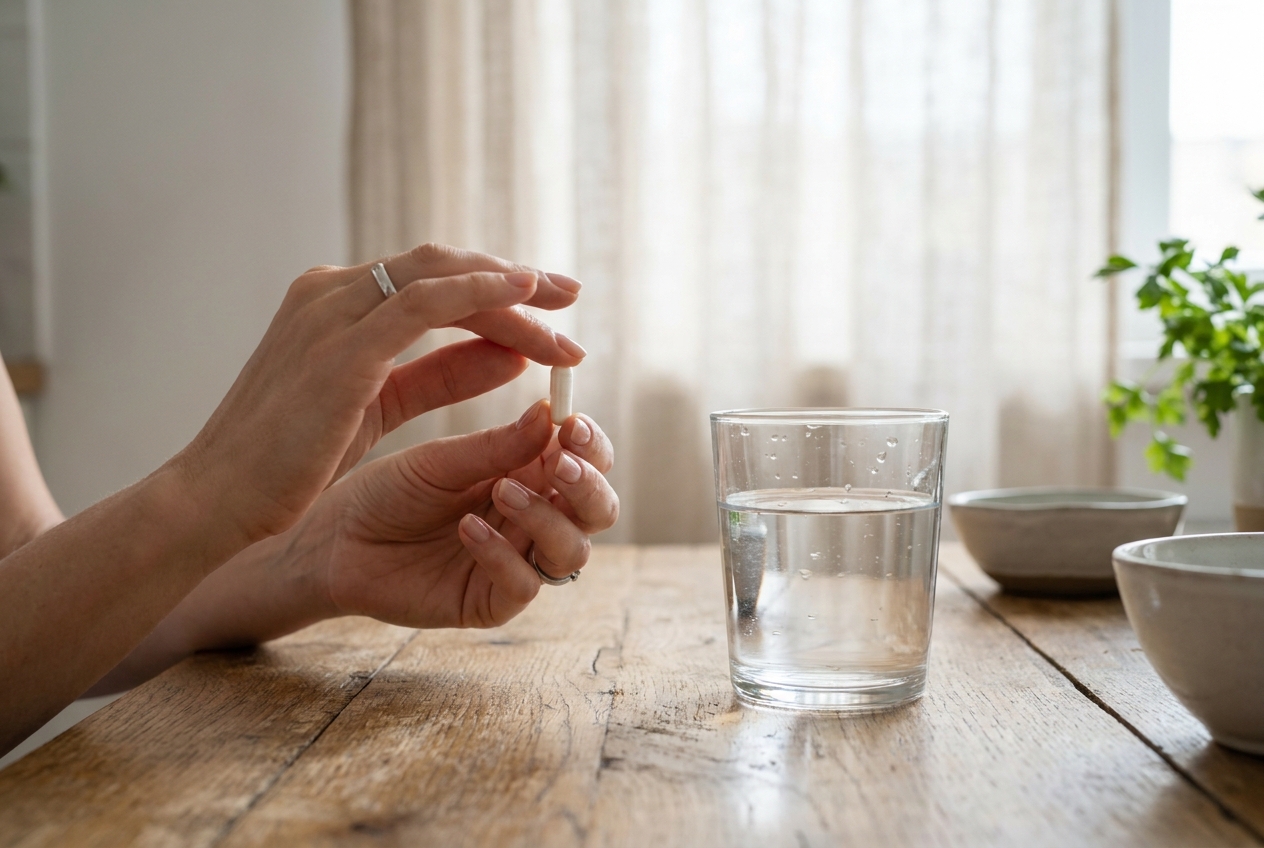
What Factors Affect Your Shedding Risk?
Not everyone sheds the virus at the same rate. Several biological variables determine how often you might be contagious without symptoms. Time Since Infection The longer you have had the virus, the less frequently it tends to shed. A landmark study in the New England Journal of Medicine found that the risk of subclinical shedding is highest in those with recent infections. Specifically, the odds of shedding are nearly double during the first year after acquiring the virus. Proximity to an Outbreak Your risk spikes around the time of a visible flare-up. The same study noted that 50% of all subclinical shedding episodes happen within seven days of a visible recurrence. The virus remains highly active on the skin surface both just before and just after an outbreak. Virus Type The strain of the virus also matters. Research published in the Journal of Infectious Diseases indicates that overall viral shedding is significantly more frequent in HSV-2 infections compared to HSV-1 infections. The study found that HSV-2 seropositive men shed the virus on roughly 2.2% of days, establishing a distinct biological difference in reactivation rates between the viral types.
Frequently Asked Questions
Can I pass herpes if I’ve never had an outbreak?
Yes. Many people carry the herpes virus and never experience a single visible sore. However, they still experience microscopic shedding and can unknowingly transmit the virus to partners through skin-to-skin contact.Does wearing a condom stop asymptomatic transmission?
Condoms significantly reduce the risk of transmission by providing a barrier over the most susceptible areas. However, they do not offer 100% protection because asymptomatic shedding can occur on uncovered areas of the genital skin, such as the upper thighs or base of the groin.Can daily antivirals completely stop shedding?
No treatment completely stops the virus from shedding. Daily suppressive antivirals heavily reduce the frequency of shedding days and the overall viral load, making transmission much less likely, but the risk never drops to absolute zero.Does the risk decrease over time?
Yes. Clinical evidence shows that asymptomatic shedding rates are highest during the first year of infection. Over time, your immune system generally becomes better at keeping the virus dormant, resulting in fewer shedding days in subsequent years.The Role of Immune Balance
Maintaining a strong immune system is your body’s best defense against frequent viral reactivation. When your immune system is compromised by stress, poor diet, or lack of sleep, the virus has an easier time waking up and traveling to the skin’s surface. For serodiscordant couples, adopting a proactive, daily management strategy offers measurable transmission security for the uninfected partner. Many people look for ways to support their immune resilience alongside traditional suppressive therapy. Monolaurin, a compound derived from lauric acid found in coconut oil, is frequently researched for its potential antiviral properties. Research suggests monolaurin may support the immune system by interacting with the lipid envelopes of certain viruses, although more human data is needed. If you are evaluating natural supplements, it is important to choose pure, high-quality formulations. You can explore targeted immune support options at Shop Monolaurin. While supplements are not a cure and should not replace medical advice, maintaining your overall health is a crucial step in managing asymptomatic shedding.
References
Research Papers- Patel R. New developments in the epidemiology, natural history and management of genital herpes. Drugs, 1999. Link
- Wald A, Zeh J, Selke S, Ashley RL, Corey L. Virologic characteristics of subclinical and symptomatic genital herpes infections. N Engl J Med, 1995. Link
- Wald A, Corey L, Cone R, Hobson A, Davis G, Zeh J. Genital shedding of herpes simplex virus among men. J Infect Dis, 2002. Link
- Preparing for a First Date With Herpes: Precautions to Prevent Outbreaks and Anxiety. /preparing-for-a-first-date-with-herpes-precautions-to-prevent-outbreaks-and-anxiety
- My Partner Was Diagnosed With Herpes: How to Support Them and What to Do Next. /my-partner-was-diagnosed-with-herpes-how-to-support-them-and-what-to-do-next