Articles
Every article on this site, newest first. Each one states what the evidence covers and cites its sources at the end.
-

Is Monolaurin Safe for Everyone? When to be cautious
Monolaurin is one of those natural compounds that has quietly been studied for decades yet remains relatively unknown outside of health and wellness circles. Found naturally in coconut oil and even in human breast milk, monolaurin has been the subject of hundreds of studies exploring its potential role in supporting immune function and promoting overall…
-
What Is Monolaurin? Benefits, Uses, and How It Works
Over the years, scientists have conducted hundreds of laboratory studies to better understand how monolaurin interacts with microorganisms. While much of this work has been preclinical, the consistency of findings has helped establish monolaurin as a well-regarded compound within the natural health community. Its versatility, safety record, and natural sourcing continue to make it a…
-
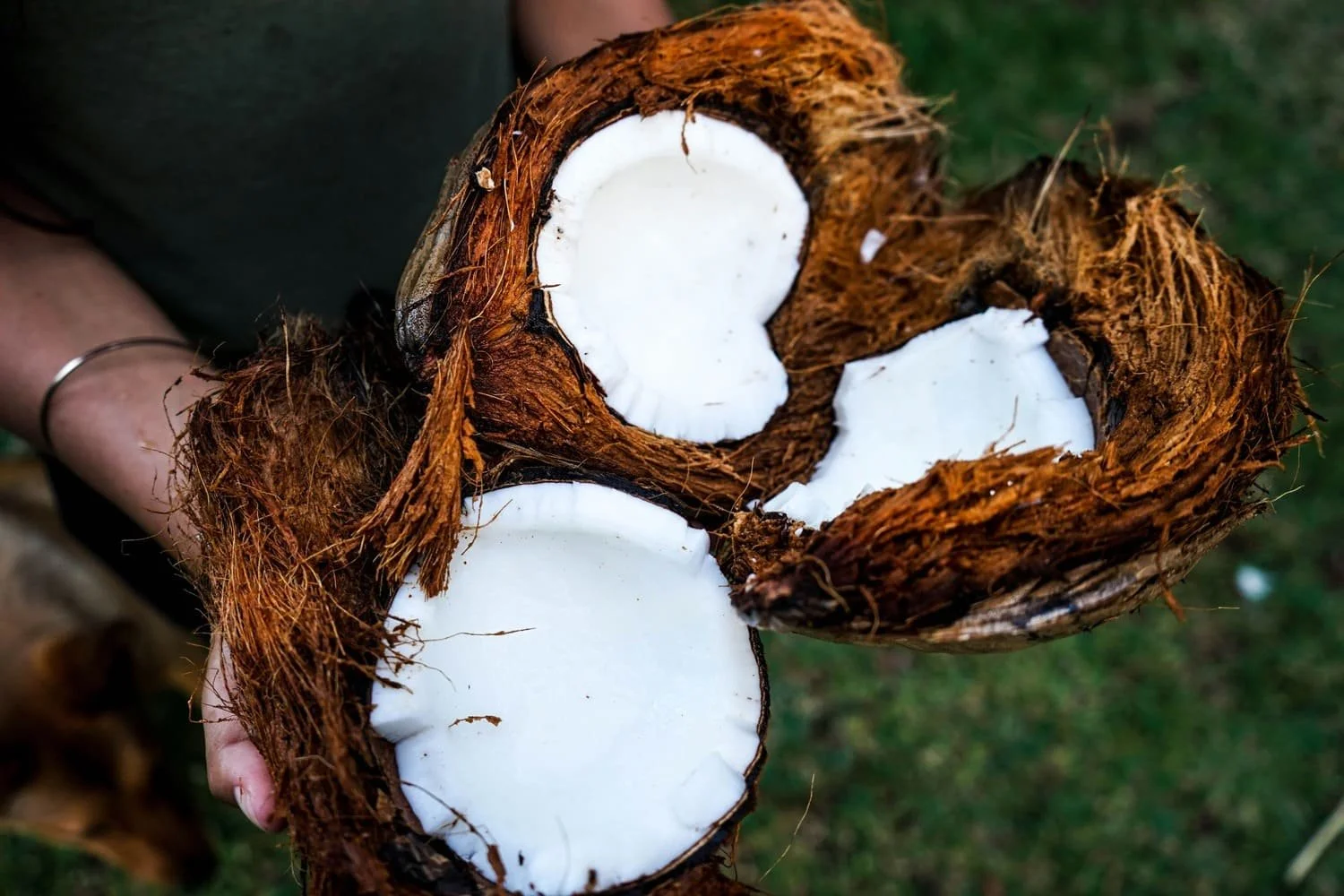
Does Monolaurin Really Work? What Science Says About Its Antiviral Benefits
Monolaurin is a compound derived from lauric acid, a type of medium-chain fatty acid naturally found in coconut oil and human breast milk. For more than six decades, it has been widely used as a natural dietary supplement, especially valued for its potential immune supporting properties.
-

How to Choose a Quality Monolaurin?
Monolaurin has gained attention among people looking for natural support for everyday wellness. Derived from lauric acid—found in coconuts and even human breast milk—it’s been studied for its interaction with microbes and its role in immune support. As interest has grown, so has the range of products on the market, varying in format and quality.