
TL;DR
Home remedies for HSV-1 and HSV-2 focus on supporting the immune system and altering the viral environment. Approaches include dietary shifts to balance amino acids, utilizing topical barriers for comfort, and exploring immune-supporting supplements like monolaurin. While not cures, these practices aim to promote overall immune resilience and manage symptom patterns.
Key Takeaways
- Managing herpes holistically requires understanding the structural biology of the virus, specifically its protective lipid envelope.
- Dietary adjustments, particularly the ratio of the amino acids L-lysine and arginine, play a role in viral replication environments.
- Monolaurin is a compound derived from lauric acid that is explored for its structural interaction with lipid-coated viruses.
- Natural approaches focus on general immune support and do not replace the need for professional medical evaluation.
The Mechanics of Viral Reactivation
The herpes simplex virus relies on a highly specific biological structure to survive, travel, and replicate within the human body. Both HSV-1 and HSV-2 are categorized as lipid-coated viruses. This classification means their genetic material is protected by a fatty outer membrane, known as the viral envelope. This envelope is not just a shield; it is the exact mechanism the virus uses to attach to healthy host cells and initiate an outbreak.How Lipid-Coated Viruses Operate
For the virus to replicate, the viral envelope must physically fuse with the membrane of a human host cell. Once fused, the virus injects its DNA into the host cell, hijacking the cellular machinery to produce more viral particles. Disrupting this fragile lipid envelope is a primary target for both pharmaceutical and natural interventions. If the envelope is compromised, the virus loses its structural integrity and cannot successfully bind to host cells.The Role of Monolaurin in Immune Balance
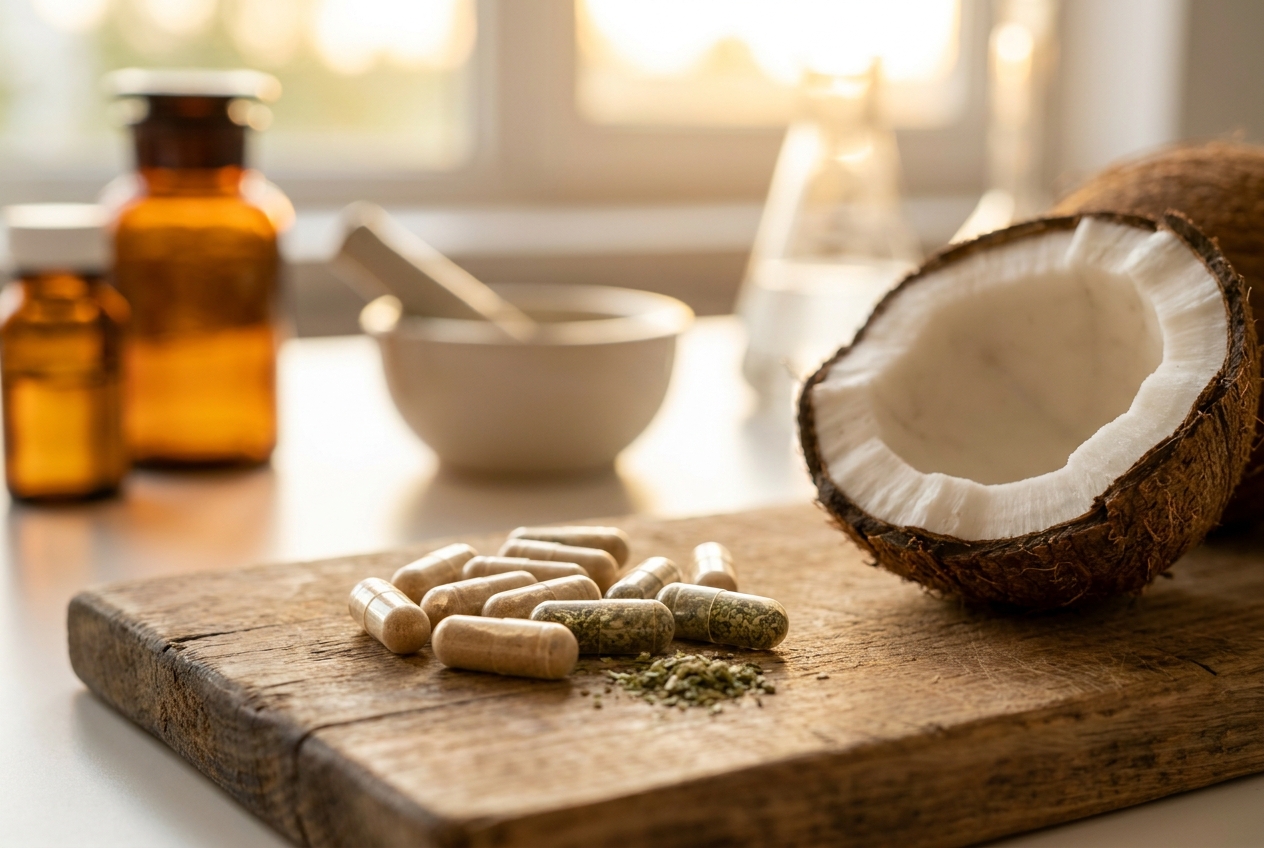
This structural vulnerability is where monolaurin enters the conversation. Monolaurin is a naturally occurring monoglyceride formed from lauric acid, a medium-chain saturated fat found abundantly in human breast milk and coconut oil. Laboratory exploration into monolaurin benefits often focuses on its unique ability to interact with lipid structures. The working scientific hypothesis suggests that monolaurin integrates itself directly into the viral envelope of lipid-coated viruses. By inserting itself into this fatty membrane, monolaurin destabilizes the structure, causing the envelope to break down. This disintegration potentially impairs the virus’s ability to attach to host cells and replicate. While these mechanisms are primarily studied in in vitro (test tube) environments, they provide a clear biological rationale for why lipid-targeted supplements are frequently included in daily immune support routines. Rather than attacking the virus chemically, this approach relies on physical, structural disruption.
Dietary and Environmental Factors Influencing Outbreaks
Outbreak frequency is rarely random. It is heavily influenced by biological triggers and systemic stressors that alter the body’s internal environment. Managing these variables is the absolute cornerstone of any holistic home remedy strategy.The Amino Acid Balance: Lysine vs. Arginine
The herpes virus requires specific cellular building blocks to replicate effectively, and the amino acid arginine is critical to this process. When arginine levels are high in the bloodstream, the virus has the fuel it needs to multiply rapidly. Conversely, L-lysine is an amino acid that physically antagonizes arginine absorption. Dietary strategies for managing herpes involve manipulating this ratio. By limiting arginine-rich foods—such as peanuts, almonds, chocolate, and pumpkin seeds—individuals cut off the viral fuel supply. Simultaneously, increasing lysine intake through diet (dairy, fish, poultry) or direct supplementation creates a competitive environment in the body where arginine is suppressed. Maintaining a higher ratio of lysine to arginine creates a fundamentally less favorable environment for viral replication.
Cortisol Overload and Immune Suppression
Elevated physical or emotional stress triggers the release of cortisol, a primary stress hormone that actively suppresses immune function. Chronic cortisol exposure reduces the efficacy of T-cells and macrophages, the exact immune cells tasked with keeping dormant viruses in check. This direct correlation explains why severe stress frequently precedes a herpes outbreak. Stress management techniques, including sleep regulation and autonomic nervous system support, are not just psychological comforts; they are biological interventions necessary for maintaining immune resilience against HSV-1 and HSV-2.Supplement Quality and Integration
When evaluating immune support supplements for herpes, the purity and concentration of the active ingredients matter immensely. For example, raw coconut oil contains only a small percentage of lauric acid, and the human digestive system converts only a tiny fraction of that into monolaurin. Attempting to manage an outbreak by consuming raw coconut oil is highly inefficient. Direct monolaurin supplements bypass this conversion process entirely, offering a concentrated, readily available dose. For those exploring this natural antiviral lifestyle, selecting a high-quality product is crucial for achieving consistent immune support. You can find meticulously formulated, quality monolaurin options at https://www.shopmonolaurin.com/.