
TL;DR
The lysine to arginine ratio in your diet may influence how frequently the herpes simplex virus (HSV) reactivates. Research suggests the virus requires the amino acid arginine to replicate, while lysine competitively blocks arginine absorption. Consuming high-lysine foods like dairy and poultry, while intentionally limiting high-arginine foods like nuts and chocolate, may support natural immune balance against outbreaks.
Key Takeaways
- The Herpes Simplex Virus (HSV) requires the amino acid arginine to synthesize the viral capsids necessary for replication.
- L-lysine acts as a competitive inhibitor, blocking the virus from utilizing arginine effectively.
- Diets heavily skewed toward arginine-rich foods like nuts, seeds, and certain grains can create an environment conducive to viral reactivation.
- Combining a high-lysine diet with targeted immune support supplements, such as monolaurin, may provide a comprehensive approach to managing viral shedding.
How Does the Herpes Virus Use Amino Acids?
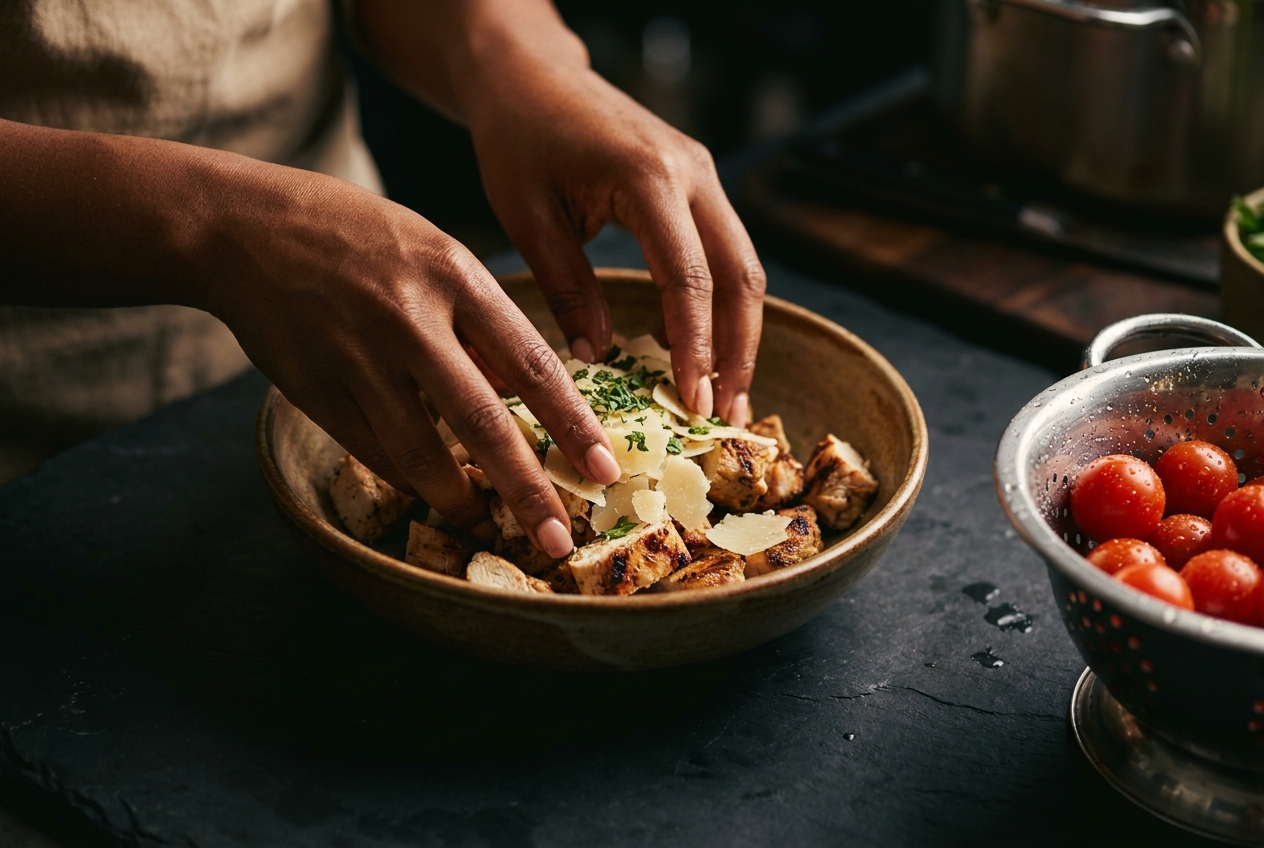
Viruses cannot reproduce independently; they must hijack the host cell’s machinery and resources. To assemble new infectious particles, HSV requires a continuous supply of specific structural proteins. Tissue culture studies show that herpes simplex virus heavily depends on arginine to drive the production of viral capsids—the protective protein shell that encases the virus’s genetic material. A study published in Dermatologica found that viral DNA codons specifically dictate capsid synthesis at the expense of normal host cell functions. Consequently, viral replication is enhanced when the local cellular environment is rich in arginine, and suppressed when lysine is more abundant. Lysine suppresses this process through competitive inhibition. Because lysine and arginine share the same transport pathways into cells, an abundance of lysine physically blocks arginine from being absorbed. Research published in Chemotherapy demonstrated that lysine functions structurally as an antimetabolite analog of arginine. By competitively antagonizing arginine’s growth-promoting pathways, lysine directly neutralizes the virus’s ability to utilize arginine for replication. This is why evaluating the Herpes Outbreak Prevention Diet requires looking at the biological competition between these two amino acids, as avoiding arginine trigger foods is often as important as consuming lysine.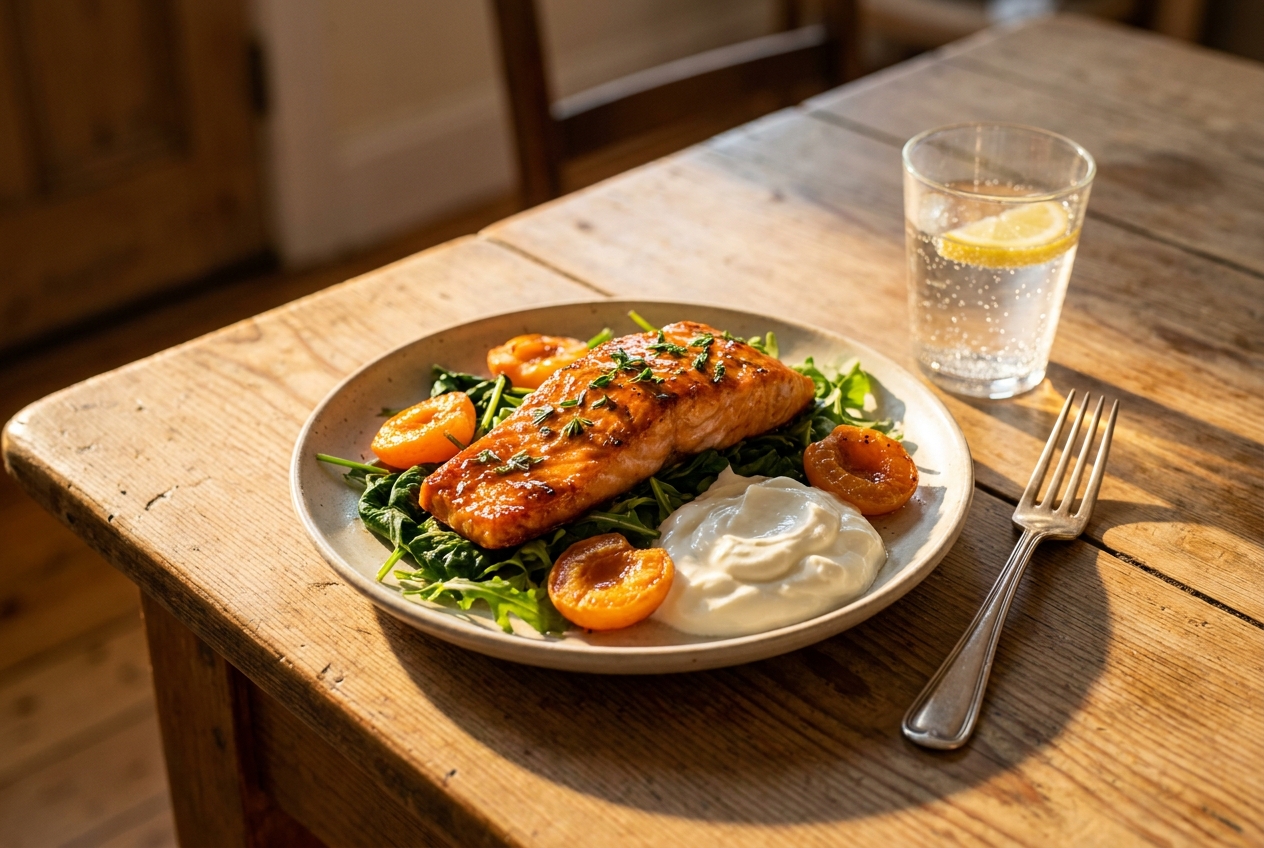
What Foods Provide the Best Lysine to Arginine Ratio?
Foods are rarely composed of a single amino acid. The goal is not to eliminate arginine—which is impossible and unhealthy—but to consume foods where the overall ratio favors lysine.High-Lysine Foods to Prioritize
These foods have a high lysine-to-arginine ratio, making them supportive staples for immune balance:- Dairy Products: Cheeses (especially Parmesan, Swiss, and Edam), yogurt, and milk have some of the highest protective ratios available.
- Fish and Seafood: Flounder, salmon, tuna, and shrimp provide substantial lysine while offering essential fatty acids.
- Poultry and Meat: Chicken, turkey, and beef are heavily skewed toward lysine.
- Produce: While generally lower in total protein, certain fruits and vegetables like mangoes, apricots, apples, pears, and tomatoes favor lysine.
High-Arginine Foods to Limit
These foods contain significantly more arginine than lysine and are commonly reported as dietary triggers for outbreaks:- Nuts and Seeds: Peanuts, almonds, walnuts, hazelnuts, sunflower seeds, and sesame seeds are notoriously high in arginine.
- Chocolate and Cocoa: Dark chocolate and cocoa powder possess an extremely high arginine-to-lysine ratio.
- Whole Grains: Oats, wheat, and buckwheat carry elevated arginine levels.
- Certain Vegetables and Legumes: Soybeans, lentils, spinach, and broccoli lean slightly toward arginine.
How Do Lysine and Monolaurin Support Immune Balance?
While dietary adjustments are foundational, achieving a protective amino acid ratio through food alone can be challenging. Many people utilize targeted supplementation to tip the balance. A systematic review published in Integrative Medicine found that L-lysine supplementation below 1 gram per day is largely ineffective for preventing HSV lesions unless concurrently paired with a strict low-arginine diet. Conversely, therapeutic doses exceeding 3 grams per day consistently improved patients’ subjective experience of outbreaks, underscoring the clinical necessity of managing the overall dietary ratio. To complement the competitive inhibition provided by lysine, many individuals explore the monolaurin antiviral properties. Monolaurin is a lipid extract derived from lauric acid. Unlike lysine, which starves the virus of structural proteins, monolaurin interacts directly with the virus’s outer layer. Research into Home Remedies for Herpes highlights that HSV is encased in a lipid envelope. Monolaurin is theorized to destabilize this protective membrane, making it difficult for the virus to bind to host cells. When exploring the best supplements for herpes outbreaks, combining monolaurin with lysine offers a multi-pathway approach: lysine disrupts the internal replication mechanics, while monolaurin targets the external structural integrity of the virus.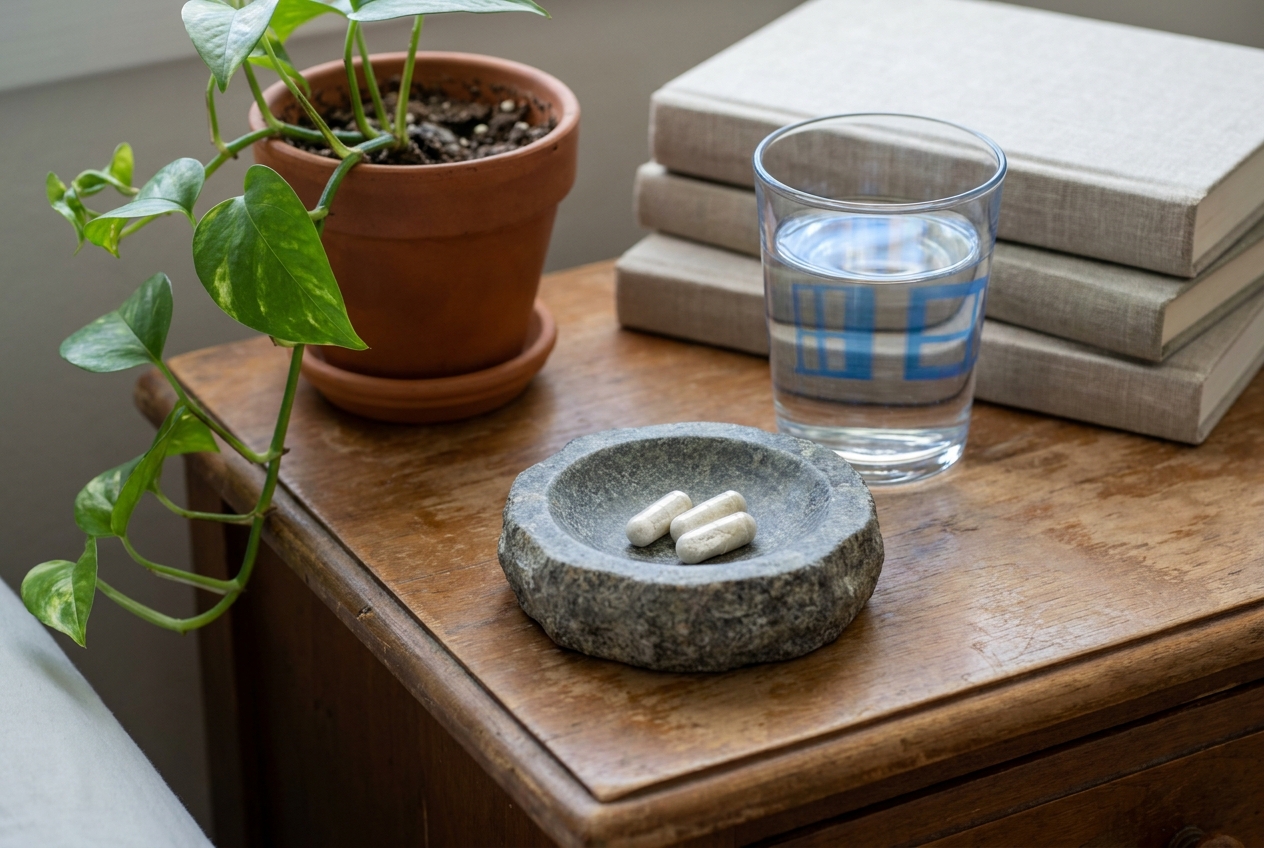
Frequently Asked Questions
Does a lysine supplement work if I eat a high-arginine diet?
Evidence suggests that taking a lysine supplement without modifying a heavily arginine-rich diet yields poor results. Because the two amino acids compete for absorption, an overwhelming amount of dietary arginine can outcompete the supplemental lysine, rendering it less effective.Should I avoid arginine completely?
No. Arginine is an essential amino acid required for cardiovascular health, wound healing, and nitric oxide production. The goal is to manage the ratio between lysine and arginine, not to induce an arginine deficiency.How does monolaurin interact with a low-arginine diet?
Using lysine and monolaurin together provides complementary mechanisms of action. While a low-arginine diet starves the virus of the materials needed to build its capsid, monolaurin works to destabilize the lipid envelopes of circulating viral particles. They do not negatively interact with one another.Can cooking methods change the amino acid ratio in food?
Cooking methods do not significantly alter the base ratio of lysine to arginine within a specific food. However, prolonged exposure to extremely high heat or excessive sugars can cause lysine to bind with sugars (the Maillard reaction), making the lysine less biologically available for absorption.
Summary
Managing the dietary balance of amino acids is a scientifically grounded strategy for supporting the immune system against viral reactivation. Because the herpes virus relies heavily on arginine to synthesize its protective capsids, tipping the nutritional scale toward lysine creates a biological environment that competitively inhibits viral replication. Prioritizing foods like dairy, poultry, and fish while being mindful of triggers like nuts and chocolate helps maintain this ratio. For those looking to optimize their daily routine, combining evidence-based dietary modifications with targeted supplements provides comprehensive support. If you are interested in exploring how high-quality lipid extracts can complement your immune strategy, you can find pure, naturally sourced options at https://www.shopmonolaurin.com/.Continue Exploring
- Herpes Outbreak Prevention Diet: Best Foods to Eat (and Avoid) for Immune Balance
- Diet and Herpes: Lysine, Arginine, and Evidence-Based Meal Strategies
- Understanding Home Remedies for Herpes: Mechanisms and Immune Support
References
- Griffith, R. S., Norins, A. L., & Kagan, C. (1978). A multicentered study of lysine therapy in Herpes simplex infection. Dermatologica. https://pubmed.ncbi.nlm.nih.gov/640102/
- Griffith, R. S., DeLong, D. C., & Nelson, J. D. (1981). Relation of arginine-lysine antagonism to herpes simplex growth in tissue culture. Chemotherapy. https://pubmed.ncbi.nlm.nih.gov/6262023/
- Mailoo, V. J., & Rampes, S. (2017). Lysine for Herpes Simplex Prophylaxis: A Review of the Evidence. Integrative Medicine (Encinitas). https://pubmed.ncbi.nlm.nih.gov/30881246/