
TL;DR
The most common cold sore triggers include ultraviolet (UV) light exposure, elevated cortisol from chronic stress, hormonal fluctuations, and diets high in L-arginine. Avoiding these triggers requires managing stress hormones, balancing your lysine-to-arginine ratio, using targeted sun protection, and maintaining daily immune resilience to keep the virus dormant.
Key Takeaways
- Ultraviolet (UV) light directly stimulates inflammatory pathways that wake the dormant herpes virus in the skin.
- High levels of the stress hormone cortisol act as a genetic switch to reactivate herpes simplex replication.
- Maintaining a higher intake of L-lysine relative to L-arginine starves the virus of the materials it requires to multiply.
- Sustaining overall immune homeostasis through lifestyle adjustments and targeted supplements like monolaurin may support long-term viral latency.
Why Does the Herpes Simplex Virus Reactivate?
Following an initial infection, HSV-1 travels along nerve fibers to reside in the trigeminal ganglion, a nerve cluster located near the ear. During this dormant phase, the virus produces no symptoms. Viral reactivation occurs when external stressors initiate cellular changes that stimulate the virus’s replication genes. Reactivation is not random; it is a direct molecular response to a localized drop in immune surveillance or a spike in specific inflammatory markers.
What Are the Primary Triggers for Cold Sores?
Stress and High Cortisol Levels
High stress translates into viral reactivation at a genetic level. When psychological or physical stress occurs, the body produces elevated levels of cortisol. Research published in Cells (2026) demonstrates that this stress hormone binds to the Glucocorticoid Receptor (GR), which directly interacts with the HSV-1 ICP0 promoter to turn on viral replication genes. Understanding why stress triggers herpes outbreaks reveals that cortisol simultaneously suppresses the immune response while actively waking the dormant virus.Ultraviolet (UV) Light
Sunlight acts as a potent catalyst for cold sores. A study in Virus Research (2018) shows that ultraviolet (UV) exposure initiates a localized cascade of inflammatory cytokines and prostaglandins, specifically PGE2, in the skin. This localized skin inflammation serves as the biological signal that awakens the virus from latency, drawing it back up the nerve pathways to the skin’s surface.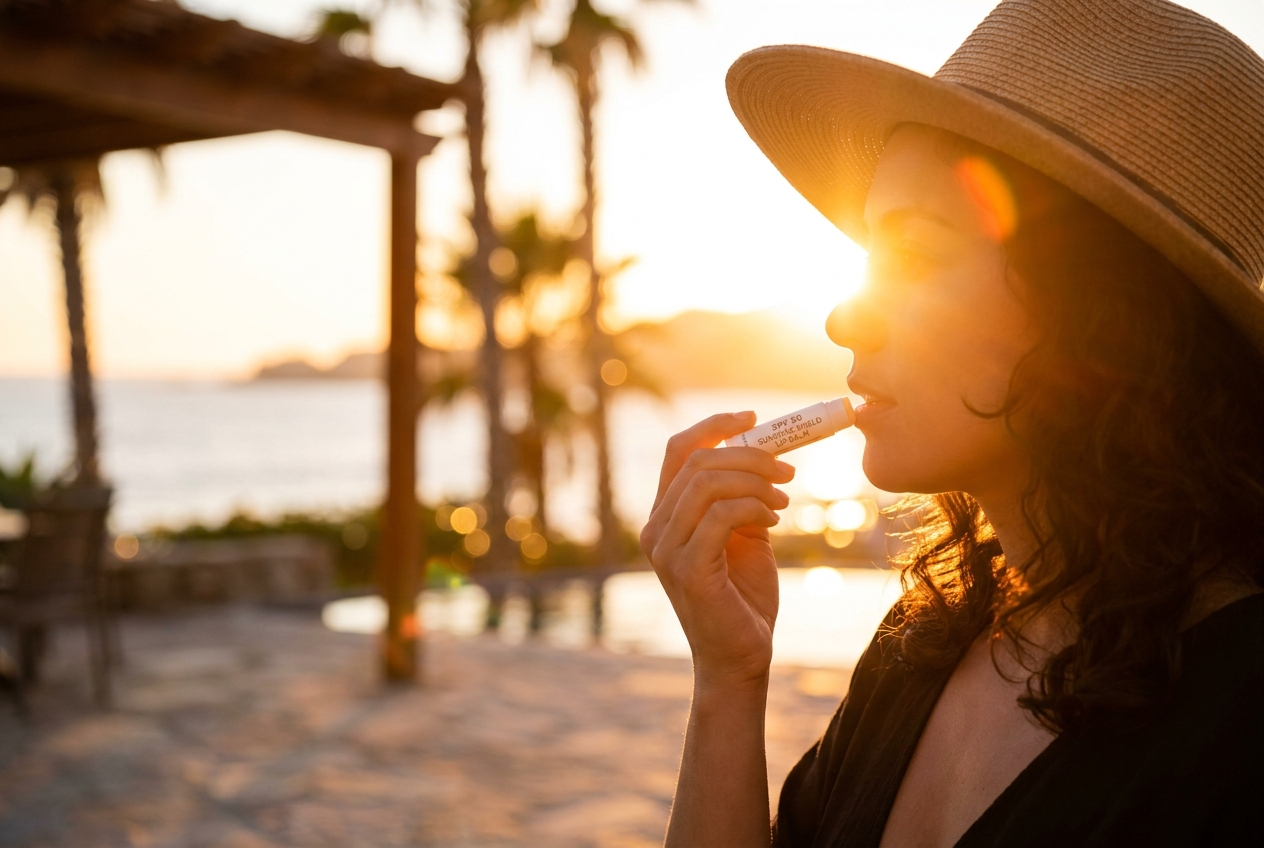
High-Arginine Diets
The herpes virus requires specific building blocks to multiply, primarily the amino acid L-arginine. Consuming diets heavy in arginine-rich foods—such as nuts, seeds, and chocolate—provides the virus with the necessary fuel for rapid replication.Hormonal Fluctuations
Physiological shifts during the menstrual cycle act as a primary precipitating trigger for recurrent HSV-1 reactivation. Evidence from the International Medical Case Reports Journal (2025) confirms that cyclical hormonal changes create transient immune fluctuations and secondary physiological stress that reliably precipitate recurring cold sore outbreaks in susceptible individuals.How Can You Proactively Avoid These Triggers?
Interrupting the outbreak cycle requires neutralizing the specific mechanisms that wake the virus. Maintaining a precise lysine-to-arginine ratio is a well-documented nutritional strategy. A 2017 review in Integrative Medicine reports that L-lysine supplementation below 1 gram daily appears ineffective without a low-arginine diet, and that doses above 3 grams daily may improve the subjective experience of the condition. It is highly beneficial to learn how to manage the frequency of herpes outbreaks by tracking these dietary inputs and balancing them alongside UV protection habits, such as applying an SPF lip balm daily.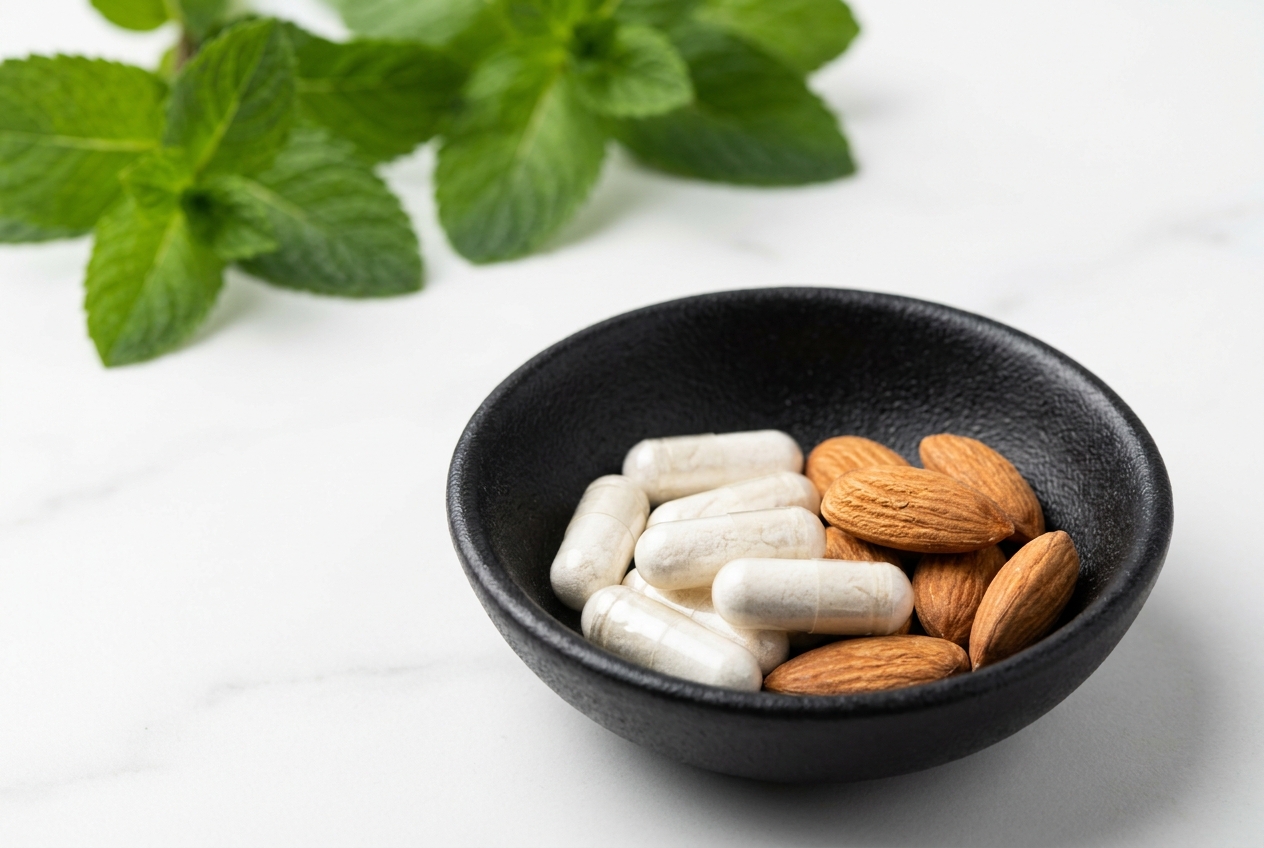
Frequently Asked Questions
Why do I get cold sores when I am sick?
Systemic illnesses temporarily reallocate immune resources away from suppressing HSV-1. This transient drop in localized immune surveillance allows the dormant virus to activate and travel down the nerve pathways to the skin.What foods are highest in arginine?
Foods that contain high concentrations of L-arginine include peanuts, almonds, walnuts, pumpkin seeds, and dark chocolate. Limiting these foods reduces the available cellular building blocks the virus needs to replicate.Can a lack of sleep trigger a cold sore?
Sleep deprivation elevates systemic cortisol levels and disrupts normal immune homeostasis. This resulting spike in stress hormones binds to viral genetic receptors, acting as a direct biological trigger for reactivation.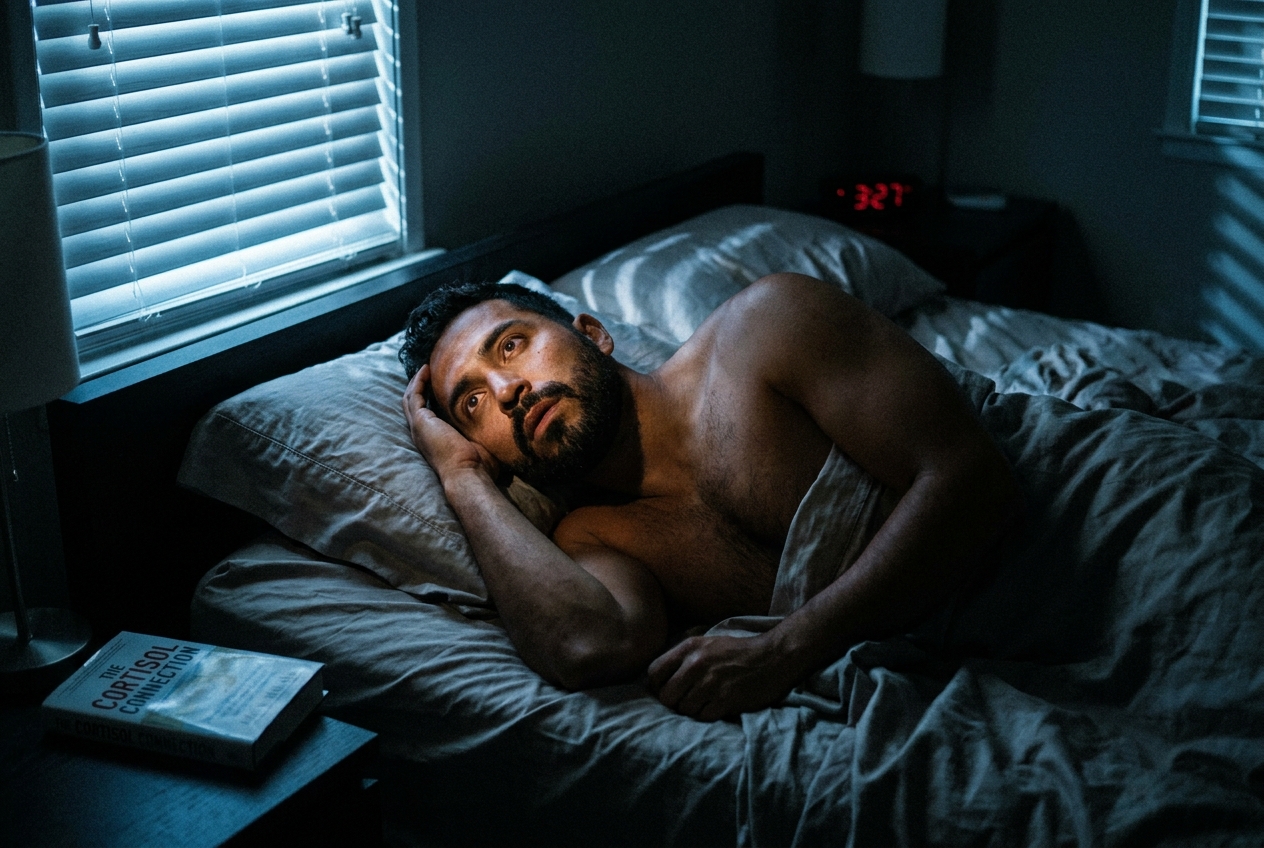
Does sunlight really cause cold sores?
Yes, acute exposure to UV radiation causes localized skin inflammation and the release of prostaglandins. These inflammatory markers signal the virus to break latency, which is why outbreaks frequently occur after a day in the sun.Maintaining Long-Term Immune Balance
Preventing cold sores requires a sustained commitment to minimizing the biochemical signals that wake the virus. By managing stress hormones, applying UV protection, and balancing your amino acid intake, you systematically remove the catalysts for viral replication. Supporting this daily routine with targeted nutritional habits ensures that your cellular defense remains highly vigilant over the long term. Because insufficient sleep shows up so consistently in trigger diaries, the last hour of the day deserves as much attention as the rest of the routine. For readers assembling a wind-down habit, this melatonin-free evening formula shows how KSM-66® ashwagandha, magnesium, L-theanine, and vitamin B6 are dosed together on a label you can read in a few seconds.Continue Exploring
- How to Manage the Frequency of Herpes Outbreaks: Tracking Triggers and Immune Balance
- Why Does Stress Trigger Herpes Outbreaks (And How Can You Manage It)?
- Do Immune-Support Routines Help Prevent Herpes Outbreaks?
References
Scientific Evidence
- Glucocorticoid Receptor and Cell Cycle Regulator (E2F2) Cooperatively Transactivate a Cis-Regulatory Module in the HSV-1 Infected Cell Protein (ICP0) Promoter. Cells, 2026.
- Lack of TNF-α signaling through p55 makes the mice more susceptible to acute infection but does not alter state of latency and reactivation of HSV-1. Virus Research, 2018.
- Identifying the Multifactorial Triggers of Monthly Recurrent HSV-1 Reactivation: A Case Report. International Medical Case Reports Journal, 2025.
- Lysine for Herpes Simplex Prophylaxis: A Review of the Evidence. Integrative Medicine, 2017.
Internal Guides
- Why Does Stress Trigger Herpes Outbreaks (And How Can You Manage It)? – /why-does-stress-trigger-herpes-outbreaks-and-how-can-you-manage-it
- How to Manage the Frequency of Herpes Outbreaks: Tracking Triggers and Immune Balance – /how-to-manage-the-frequency-of-herpes-outbreaks-tracking-triggers-and-immune-balance
- Do Immune-Support Routines Help Prevent Herpes Outbreaks? – /do-immune-support-routines-help-prevent-herpes-outbreaks