Category: Monolaurin & Herpes Science
Articles
Every article on this site, newest first. Each one states what the evidence covers and cites its sources at the end.
-
How Does Monolaurin Affect the Herpes Virus? A Look at the Science
Monolaurin targets the herpes simplex virus (HSV) by attacking its structural integrity. Research suggests it works by disintegrating the protective lipid envelope surrounding the virus, which prevents it from attaching to host cells.
-
Understanding the Antiviral Benefits of Monolaurin
Monolaurin is a naturally occurring lipid derived from lauric acid that may support immune resilience. Its potential antiviral benefits stem from its ability to disrupt the protective lipid envelopes of certain viruses, including herpes simplex.
-
The Science Behind Natural Alternatives That May Help With Herpes Outbreaks
Research suggests that specific natural alternatives may support immune resilience against herpes simplex virus (HSV) outbreaks.
-

Monolaurin for Herpes: What does the Research Say and What do People Report?
Monolaurin for herpes is widely discussed online. Learn what lab research suggests, what’s missing in human studies, and real testimonials people share—plus safer next steps.
-

Monolaurin and Herpes Family Viruses
Herpes simplex viruses affect a huge part of the population, and is a lifelong disease with no known cure.
-

Monolaurin & Herpes: The Complete Guide
Disclaimer: The information below is provided for general educational purposes only and should not be considered medical advice. There is no known cure for herpes. Always consult a qualified healthcare provider for guidance.
-
What Is Monolaurin? Benefits, Uses, and How It Works
Over the years, scientists have conducted hundreds of laboratory studies to better understand how monolaurin interacts with microorganisms. While much of this work has been preclinical, the consistency of findings has helped establish monolaurin as a well-regarded compound within the natural health community. Its versatility, safety record, and natural sourcing continue to make it a…
-
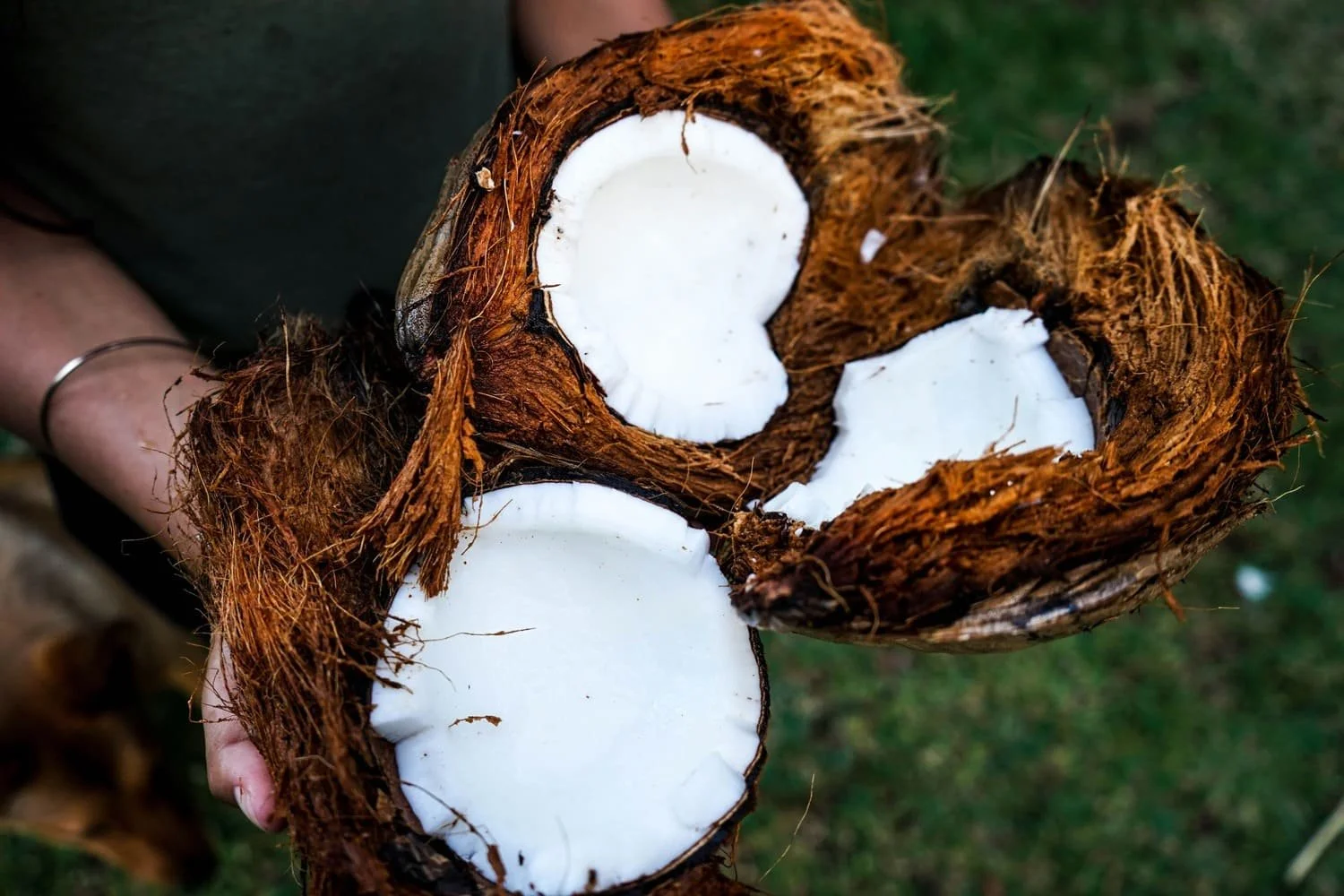
Does Monolaurin Really Work? What Science Says About Its Antiviral Benefits
Monolaurin is a compound derived from lauric acid, a type of medium-chain fatty acid naturally found in coconut oil and human breast milk. For more than six decades, it has been widely used as a natural dietary supplement, especially valued for its potential immune supporting properties.