TL;DR
Wondering if that unexpected bump is a herpes outbreak, an ingrown hair, or a simple pimple? The key differences lie in timing and sensation. Herpes typically begins with a nerve-related tingling prodrome, followed by clustered, fluid-filled blisters that eventually crust over. In contrast, ingrown hairs and pimples present as single, solid bumps without this underlying nerve discomfort.
Key Takeaways
- A classic herpes outbreak is distinguished from an ingrown hair by a preceding tingling or burning sensation, driven by the herpes simplex virus traveling along nerve pathways.
- Bacterial folliculitis (which causes pimples and ingrown hairs) forms solid pustules, whereas the herpes simplex virus creates clusters of clear, fluid-filled vesicles on the skin surface.
- Atypical herpes presentations are often misdiagnosed as contact dermatitis or yeast infections, but the herpes virus fails to respond to standard anti-fungal creams.
- Maintaining immune balance and exploring natural compounds like monolaurin may support the body’s natural defenses against enveloped viruses like herpes simplex.

How Does a Herpes Outbreak Develop?
A herpes outbreak is fundamentally a neurological and viral event, not just a surface skin condition. When the herpes simplex virus wakes up from a dormant state, it travels along nerve fibers toward the surface of the skin. This journey creates the first major diagnostic clue: the prodrome. A study published in the American Family Physician notes that classic HSV outbreaks are distinguished by a preceding neuropathic skin prodrome and constitutional symptoms, unlike typical localized skin irritations. This neuropathic tingling, burning, or itching sensation happens before any physical bump appears, signaling that the viral replication process is actively moving along the nerve pathways. Once the herpes simplex virus reaches the epidermis, it begins to rapidly multiply inside skin cells. This viral replication causes the infected cells to swell and detach from one another, creating distinct, fluid-filled vesicles. These tiny blisters typically appear in groups on an erythematous base (a red, inflamed patch of skin). Because the virus destroys the structural cells as it replicates, the vesicles eventually rupture, leaving shallow skin ulcers that scab and heal over several days. Understanding this viral replication mechanism is exactly how monolaurin works against viruses conceptually. As detailed in our guide on The Science Behind Natural Alternatives That May Help With Herpes Outbreaks, researchers are increasingly curious about how compounds like monolaurin interact with the virus’s protective lipid envelope during this vulnerable replication phase.
What Factors Distinguish Herpes From Other Skin Conditions?
When trying to determine what is causing a skin flare-up, evaluating the physical architecture of the irritation is crucial. Different microscopic pathogens—viruses, bacteria, fungi, and allergens—trigger distinct structural changes in human tissue.Bacterial Folliculitis and Ingrown Hairs
Bacterial folliculitis occurs when a hair follicle becomes trapped and infected by bacteria, typically Staphylococcus aureus. This localized bacterial infection creates an ingrown hair or a pimple. Research in the Journal of the Royal College of Physicians of Edinburgh highlights that herpes simplex infections are frequently mistaken for bacterial folliculitis; however, clinical differentiation relies on recognizing the distinct viral vesicular morphology versus solid bacterial pustules. An ingrown hair forms a single, firm bump filled with white pus (which consists of dead white blood cells and bacteria). In contrast, the herpes simplex virus forms clusters of clear, fluid-filled blisters. Furthermore, bacterial folliculitis completely lacks the nerve-tingling prodrome associated with an HSV infection.
Yeast Infections and Contact Dermatitis
In some cases, the skin simply becomes red, itchy, and inflamed without obvious blisters, which often leads to confusion between HSV, yeast infections (fungal overgrowth), and contact dermatitis (allergic reactions). According to a 2026 report in Clinical, Cosmetic and Investigational Dermatology, atypical genital HSV presentations are routinely misdiagnosed as contact dermatitis or chronic vulvitis because both conditions cause significant redness and itching. The defining feature of a viral issue in these atypical cases is the presence of pinpoint erosions (tiny open skin sores) and a complete failure to respond to anti-fungal creams or antibacterial ointments. Contact dermatitis usually resolves quickly once the chemical irritant or rough fabric is removed, while a herpes outbreak follows a strict biological timeline of blistering and crusting. For individuals looking to proactively support their immune system against recurrent viral triggers, managing systemic lifestyle factors is vital. Balancing dietary intake (such as the lysine to arginine ratio) and managing cortisol levels can directly influence immune function, as outlined in our overview of Natural Remedies for Herpes Outbreaks: Evidence-Based Alternatives and Immune Support.
Frequently Asked Questions
Does an ingrown hair tingle like a herpes outbreak?
No. An inflamed ingrown hair may feel tender, sore, or sharply painful when physically touched, but it does not produce the radiating, neuropathic tingling or burning sensation associated with an HSV viral prodrome. The pain of a bacterial ingrown hair is localized strictly to the infected hair follicle.Can a simple pimple turn into a herpes blister?
Pimples and blisters are structurally incompatible. A pimple is a bacterial pustule filled with solid matter (sebum, dead skin cells, and bacteria) located inside a blocked pore. A herpes blister is a viral vesicle filled with clear fluid situated on the surface of the skin. A bacterial pimple will not biologically transition into a viral blister.Why do some skin irritations fail to respond to standard creams?
Skin issues caused by viruses like HSV will not respond to antibiotics, which only target bacterial infections, or antifungals, which only eradicate yeast. If a red, irritated patch of skin fails to improve with common over-the-counter dermatology treatments, it may be an atypical presentation of a viral infection rather than simple contact dermatitis.Monolaurin explained: What is this compound and how does it relate to viruses?
Monolaurin is a natural dietary supplement derived from lauric acid, which is predominantly found in coconut oil. Early in vitro laboratory and animal research suggests that monolaurin may help destabilize the lipid envelopes of certain viruses, potentially supporting the body’s immune system. While monolaurin is not a medical cure, many individuals use it to support general microbial balance.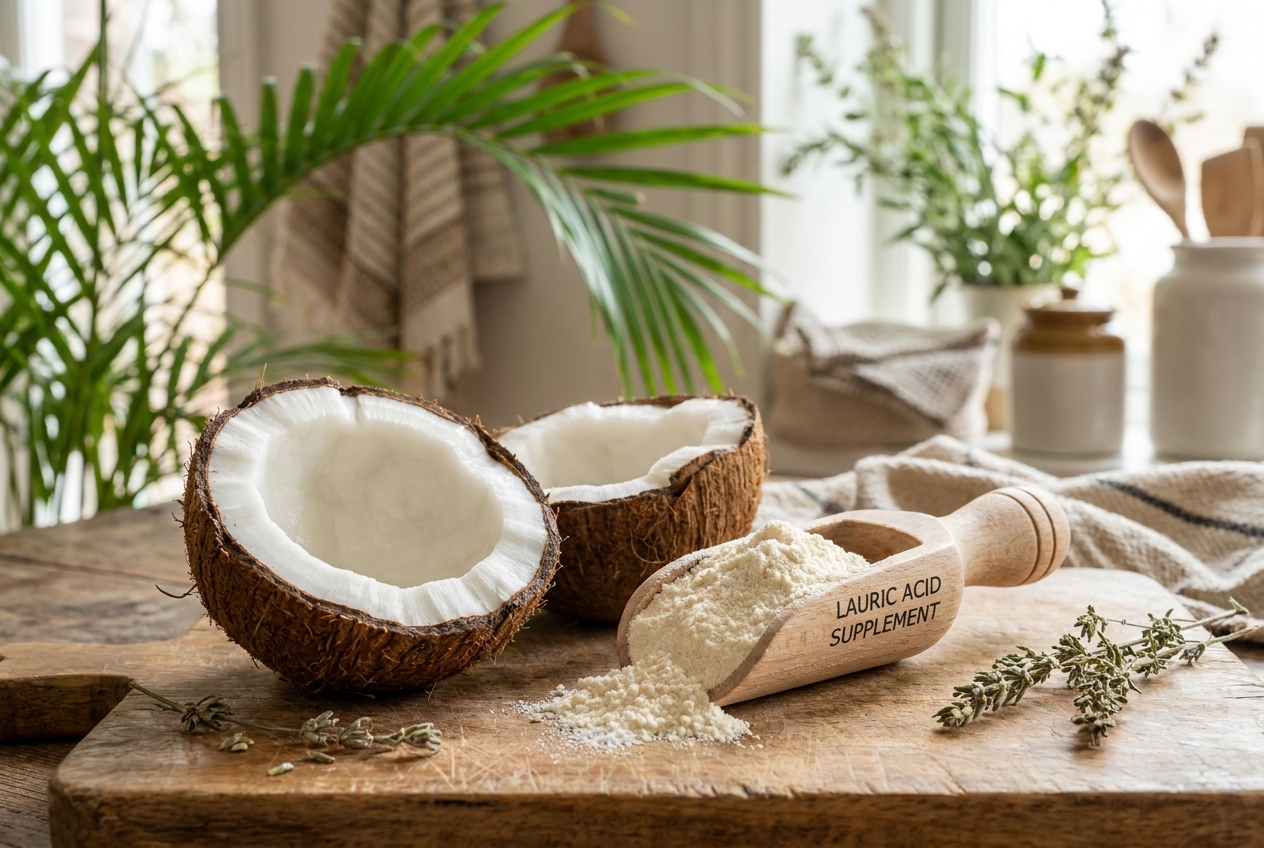
Summary
Deciphering whether a skin bump is a herpes outbreak, an ingrown hair, or contact dermatitis requires careful observation of the eruption timeline and the physical structure of the irritation. Viral HSV outbreaks typically announce themselves with a nerve-related prodrome and present as clustered, fluid-filled vesicles that eventually ulcerate and heal. Recognizing these specific viral entity markers allows you to make informed, evidence-based decisions about your skin health and long-term immune management. When looking to support your body’s innate immune resilience, many individuals turn to targeted dietary adjustments and natural supplements. When evaluating these products, neutral buying guidance suggests looking for pure monolaurin for herpes outbreaks (in standard capsules or pellets) that do not contain unnecessary synthetic fillers or artificial additives. Always prioritize high-quality, lab-tested formulations to ensure maximum purity. To explore premium monolaurin options designed specifically for optimal immune support, visit https://www.shopmonolaurin.com/. Keep in mind that while foundational in vitro research suggests monolaurin interacts favorably with viral lipid envelopes, dietary supplements are meant to support overall wellness, not treat or cure medical conditions.Continue Exploring
- The Science Behind Natural Alternatives That May Help With Herpes Outbreaks
- Natural Remedies for Herpes Outbreaks: Evidence-Based Alternatives and Immune Support
References
Research References
- American Family Physician, “Genital herpes: a review,” 2005. [https://pubmed.ncbi.nlm.nih.gov/16273819/]
- Journal of the Royal College of Physicians of Edinburgh, “Disseminated herpes simplex virus: a case of eczema herpeticum causing viral encephalitis,” 2018. [https://doi.org/10.4997/JRCPE.2018.108]
- Clinical, Cosmetic and Investigational Dermatology, “Atypical Genital Herpes Presenting as Chronic Severe Vulvitis: A Case Report,” 2026. [https://doi.org/10.2147/CCID.S613851]
Internal References
- The Science Behind Natural Alternatives That May Help With Herpes Outbreaks. [/the-science-behind-natural-alternatives-that-may-help-with-herpes-outbreaks]
- Natural Remedies for Herpes Outbreaks: Evidence-Based Alternatives and Immune Support. [dating-herpes.com/natural-remedies-for-herpes-outbreaks-evidence-based-alternatives-and-immune-support]