
TL;DR
Poor sleep hygiene triggers herpes outbreaks by activating a dual biological mechanism. First, chronic sleep deprivation elevates cortisol levels, which directly signals the virus to replicate. Second, the lack of rest suppresses the cell-mediated immune response, paralyzing the CD8+ T cells required to maintain viral latency in the nervous system.
Key Takeaways
- Sleep deprivation prevents the natural nighttime drop in cortisol, triggering the release of stress hormones that activate dormant Herpes Simplex Virus (HSV).
- Consistent poor rest suppresses the cell-mediated immune system, specifically weakening the specific T cells that keep viral replication in check.
- Improving sleep hygiene supports the Hypothalamic-Pituitary-Adrenal (HPA) axis, promoting baseline immune resilience against recurring outbreaks.
- Exploring immune support supplements for herpes, such as monolaurin, may provide additional nutritional balance alongside restorative sleep habits.
When the Herpes Simplex Virus (HSV) enters a latent state, it resides quietly within the nervous system. The immune system, specifically a highly specialized network of cellular defenses, works continuously to maintain this dormancy. However, this balance is fundamentally fragile. Disruptions to the body’s internal clock and natural recovery cycles rapidly alter the biochemical environment, creating highly favorable conditions for the virus to reactivate.
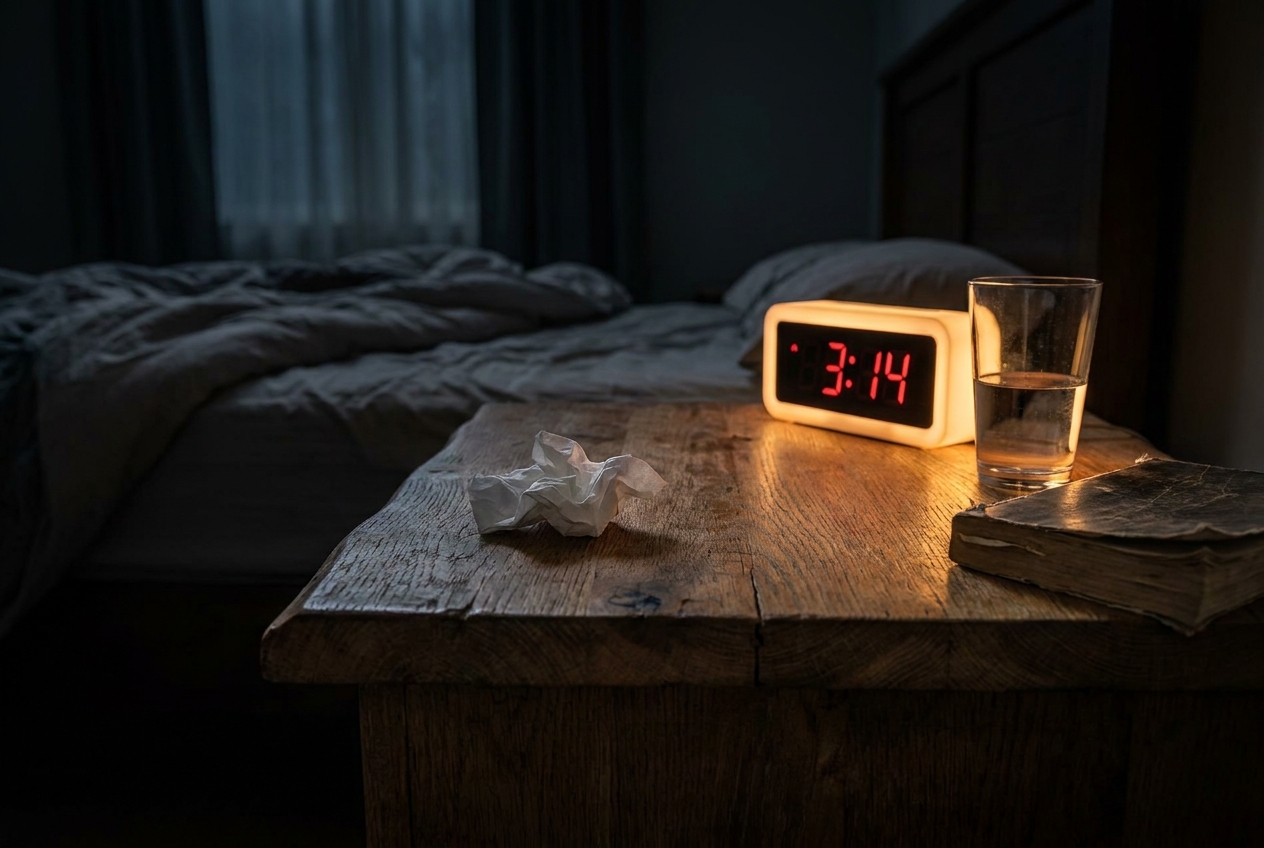
Sleep is not merely a passive period of rest; it is an active, critical phase of immune regulation. During deep sleep, the body produces essential cytokines and regulates hormone levels. When sleep hygiene deteriorates—whether through chronic insomnia, interrupted sleep cycles, or poor nighttime habits—the physiological consequences extend far beyond waking fatigue. The disruption fundamentally alters how the immune system interacts with dormant pathogens.
How Does Lack of Sleep Reactivate the Herpes Virus?
The relationship between sleep loss and viral reactivation relies on specific neuroendocrine and immune pathways. Two primary mechanisms dictate exactly how a deficit in restorative rest transitions HSV from a latent resident to an active outbreak.
Cortisol and the Viral “On Switch”
A healthy, functional sleep cycle is characterized by a natural, pronounced dip in stress hormones overnight. Sleep deprivation directly prevents this circadian drop in cortisol, leading to chronically elevated systemic glucocorticoids. This hormonal shift exerts a direct structural impact on the virus itself. Evidence demonstrates that elevated glucocorticoids bind to the Glucocorticoid Receptor (GR), which subsequently targets and transactivates the ICP0 promoter region of the herpes genome (Researchers, Cells, 2026).
This exact binding event acts as a molecular “on switch,” forcing the virus out of latency and initiating active replication. This biological reality explains exactly how stress triggers herpes outbreaks, as stress hormones functionally impair dendritic cells and disable the physiological mechanisms that would otherwise maintain viral latency.

The Breakdown of Cell-Mediated Immunity
Beyond actively signaling the virus to wake up, poor sleep simultaneously disarms the body’s primary viral defenses. To keep HSV dormant, the immune system relies heavily on a robust cell-mediated response, governed largely by CD8+ T cells. Sleep deprivation suppresses vital Th1 cytokine production (such as IFN-gamma and IL-2), which disrupts the Th1/Th2 balance and effectively blunts the cellular defense required to maintain viral latency (Dimitrov S, et al., Brain, Behavior, and Immunity, 2004).
Without an adequate supply of Th1 cytokines, T cells cannot effectively police the nervous system. Ultimately, HSV-1 reactivation acts as an emergent property of neuronal stress; when systemic stress signaling and immune dysregulation converge, they create a highly permissive state in the nervous system that guarantees viral reactivation (Researchers, Journal of Neuroinflammation, 2026).
What Factors Affect Sleep Quality and Immune Resilience?
Understanding the biological and environmental variables that disrupt restorative rest is critical for managing overall immune balance and supporting latency.
- The HPA Axis Loop: Fragmented rest triggers the Hypothalamic-Pituitary-Adrenal (HPA) axis, heavily flooding the system with cortisol. This creates a cyclical biological trap where physical exhaustion causes flare-ups, and the resulting physical discomfort leads to further sleep disruption, validating how poor sleep quality causes recurring herpes outbreaks.
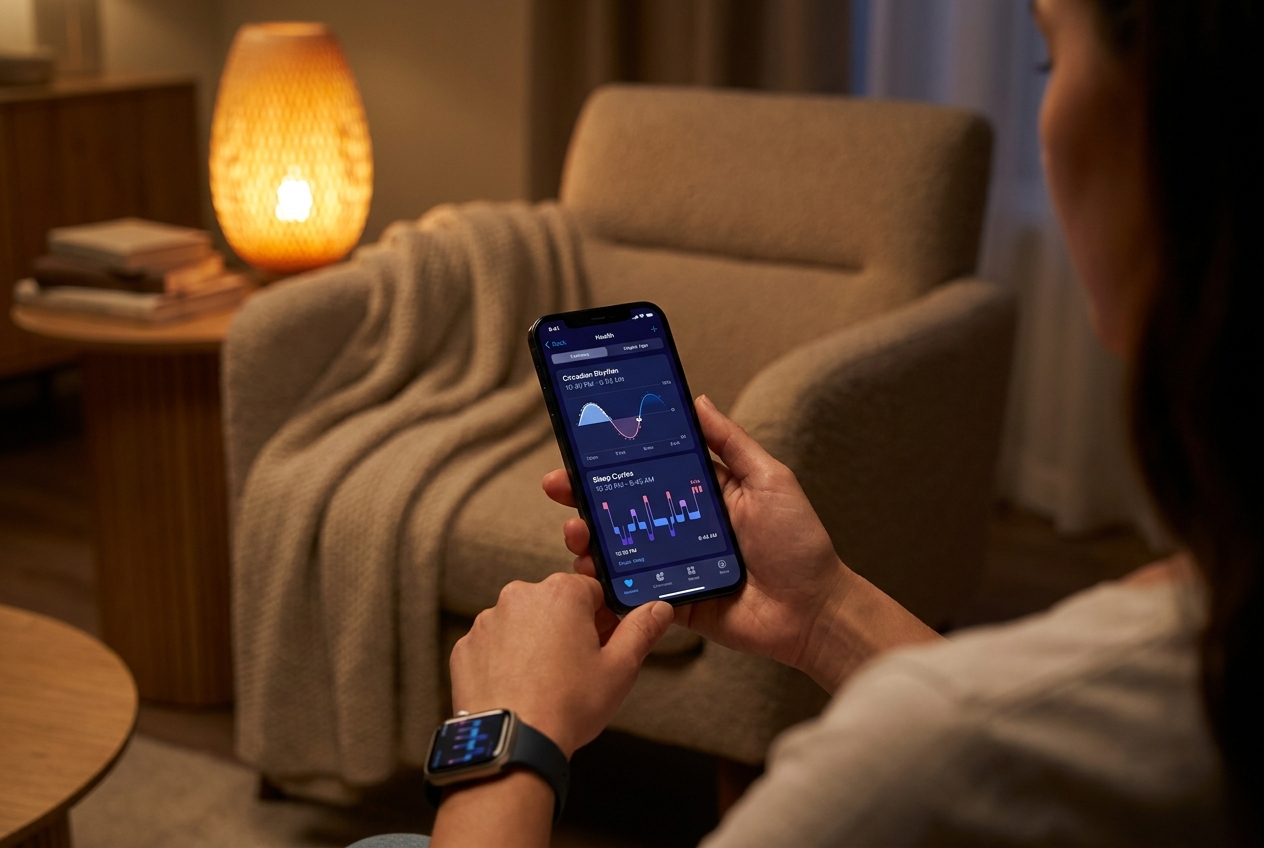
- Circadian Disruption: Irregular sleep schedules, prolonged shift work, or excessive nighttime blue light exposure prevent the natural melatonin spike, which is strictly necessary for the nighttime immune system repair phase.
- Nutritional Deficits: Deficiencies in essential micronutrients physically limit the body’s ability to synthesize necessary sleep-regulating neurotransmitters and sustain optimal T-cell function during waking hours.
Frequently Asked Questions
Can one night of bad sleep trigger an outbreak?
While a single night of poor sleep acutely raises systemic cortisol, an outbreak typically requires more sustained immune suppression. Chronic sleep deprivation, where the cell-mediated immune response is consistently blunted over consecutive days, presents a much higher, biologically validated risk for viral reactivation.
How does monolaurin and herpes management relate to sleep?
Research suggests monolaurin and herpes discussions often center closely on daily immune balance. Derived from lauric acid, monolaurin is a lipid extract that may support the body’s natural cellular defenses. While sleep actively repairs the immune system overnight, monolaurin is frequently evaluated as part of a daily nutritional strategy to help maintain baseline microbial balance.
What are the best supplements for herpes outbreaks related to stress?
When evaluating immune support supplements for herpes, individuals naturally look for options that support systemic balance without artificially overstimulating the immune response. Formulations containing L-lysine, Vitamin C, Zinc, and high-quality monolaurin are frequently considered as part of a comprehensive lifestyle routine designed to function alongside active stress management and improved sleep hygiene.
Will fixing my sleep hygiene stop all outbreaks?
Improving sleep hygiene significantly reduces the cortisol spikes and immune suppression that act as major catalysts for many outbreaks. However, HSV reactivation remains inherently multifactorial, meaning variables like ultraviolet light exposure, specific dietary choices, and emotional stress also require active management to successfully maintain viral latency over time.

Supporting Immune Balance Through Rest and Nutrition
The biological mandate is entirely clear: restorative sleep is a non-negotiable requirement for sustaining cellular immunity. By actively prioritizing consistent sleep schedules and minimizing nighttime circadian disruptions, the human body can successfully lower systemic cortisol and sustain the ongoing T-cell activity necessary to suppress dormant pathogens.
Building a consistent wind-down routine matters just as much as the sleep itself. Some people add a melatonin-free evening formula built around ashwagandha, magnesium and L-theanine to that routine, which may support relaxation and calm as the body settles into rest.
For readers seeking to understand how monolaurin works against viruses as part of a broader educational journey into immune health, integrating well-researched nutritional tools alongside lifestyle modifications provides a highly comprehensive approach. When evaluating potential nutritional products, it is important to consider prioritizing ingredient purity and strict manufacturing standards. You can carefully explore neutral buying guidance and evaluate high-quality formulations by visiting Shop Monolaurin.
Continue Exploring
10. References
- Dimitrov S, et al., Sleep associated regulation of T helper 1/T helper 2 cytokine balance in humans, Brain, Behavior, and Immunity, 2004. https://pubmed.ncbi.nlm.nih.gov/15157951/
- Researchers, Glucocorticoid Receptor and Cell Cycle Regulator (E2F2) Cooperatively Transactivate a Cis-Regulatory Module in the HSV-1 Infected Cell Protein 0 (ICP0) Promoter, Cells, 2026. https://doi.org/10.3390/cells15050445
- Researchers, HSV-1 reactivation as an emergent property of neuronal stress: implications for traumatic brain injury, Journal of Neuroinflammation, 2026. https://doi.org/10.1186/s12974-026-03944-7
- How Does Stress Trigger Herpes Outbreaks? https://learnaboutherpes.com/how-does-stress-trigger-herpes-outbreaks/
- Does Poor Sleep Quality Cause Recurring Herpes Outbreaks? https://dating-herpes.com/does-poor-sleep-quality-cause-recurring-herpes-outbreaks/