TL;DR
While individual needs vary, general educational patterns suggest a starting monolaurin dosage for herpes around 600 to 1,000 mg daily to avoid sudden detox reactions. After assessing tolerance, users often gradually increase to a maintenance level of 1,500 to 3,000 mg daily. Always consult a healthcare professional before adjusting supplement routines.
Key Takeaways
- Monolaurin dosage patterns typically involve a gradual “titration” approach to minimize temporary detox side effects.
- Research suggests monolaurin may interact with the lipid envelope of certain viruses, though much of this evidence remains at the in vitro stage.
- Maintenance phases often hover between 1,500 and 3,000 mg per day for general immune support.
- Combining monolaurin with L-lysine is a common strategy within natural supplement routines for immune resilience.

How Monolaurin Interacts With Viral Envelopes
To understand why specific dosages are discussed, it helps to look at the underlying biological mechanisms. Monolaurin is widely studied for its potential antiviral properties, specifically its behavior around lipid-coated (fat-enveloped) viruses like the Herpes Simplex Virus (HSV).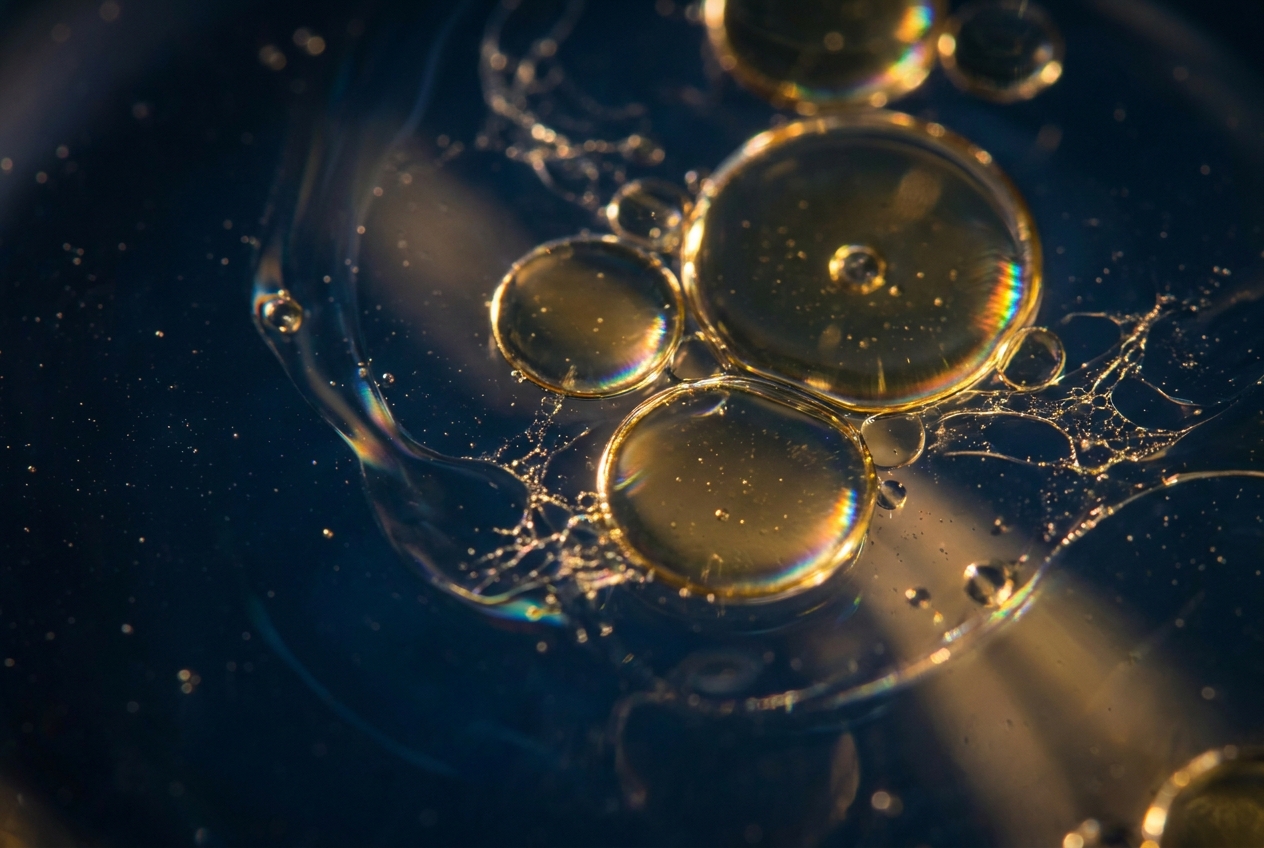
Finding the Right Monolaurin Dosage for Herpes
Because monolaurin is not a pharmaceutical medication, dosage guidelines are based on anecdotal educational patterns and traditional use rather than clinical mandates. People generally divide their monolaurin intake into three distinct phases.The Introduction Phase: Starting Low
Sudden introductions of concentrated lauric acid can sometimes trigger a Herxheimer reaction (often called a “die-off” effect). This occurs when the body processes metabolic waste faster than it can eliminate it, potentially leading to temporary fatigue or mild flu-like symptoms. To mitigate this, common educational patterns suggest a starting dose of 600 to 1,000 mg per day, divided into two smaller servings with meals, for the first week.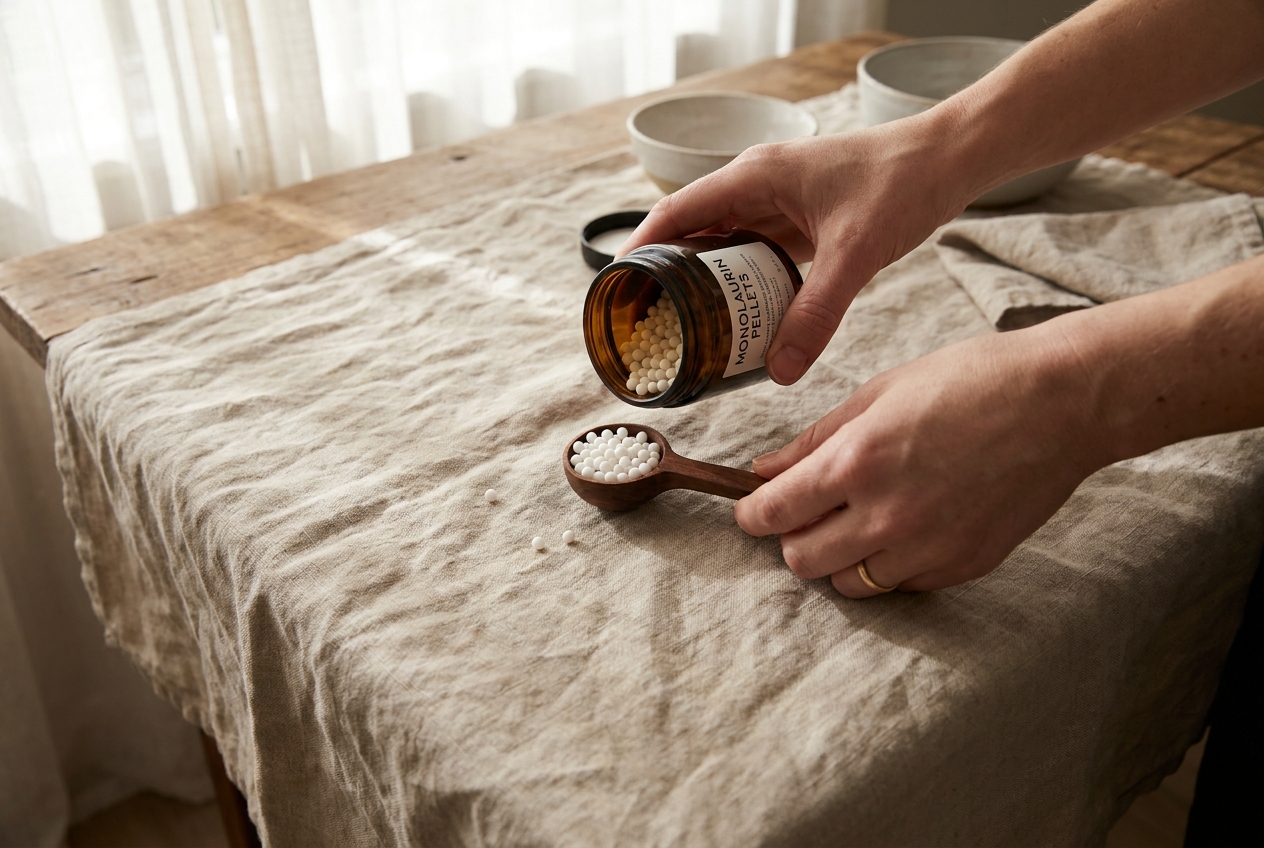
The Maintenance Phase: Daily Immune Support
Once the body adjusts and tolerance is established, many individuals transition to a maintenance dose. This phase is designed for ongoing immune resilience rather than acute intervention. General patterns suggest a maintenance range of 1,500 to 3,000 mg daily. Splitting this total into morning and evening intakes helps maintain a steady presence of monolaurin in the digestive system.The Acute Phase: Navigating Outbreaks
During periods of heightened immune stress or active outbreaks, some individuals explore a temporary acute dosage. While data on maximum safe limits varies, short-term intakes are sometimes raised. However, any significant increase should always be discussed with a qualified healthcare provider to ensure it aligns with individual metabolic health and safety profiles.
Evaluating Monolaurin Supplement Quality
When considering adding monolaurin to an immune support routine, product quality is a critical variable. The supplement market is largely unregulated, meaning the purity, concentration, and delivery mechanism can vary drastically between brands. For optimal absorption and ease of use, many prefer pure monolaurin formulated without unnecessary binders, fillers, or synthetic excipients. Some products deliver monolaurin in pellet form, which can be swallowed directly with water or food. If you are evaluating options to support your immune balance, you can explore high-quality monolaurin options at ShopMonolaurin.com to find formulations that align with clean sourcing standards.Frequently Asked Questions
How much monolaurin should I take for herpes?
While individual requirements vary, general patterns suggest starting at 600 to 1,000 mg daily to assess tolerance. After the introductory phase, many people maintain a daily intake between 1,500 and 3,000 mg. Always consult a healthcare professional before beginning a new supplement routine.Can you take monolaurin and lysine together?
Yes, combining monolaurin with lysine is a very common strategy in holistic immune support. L-lysine is an essential amino acid known to compete with arginine, a nutrient that HSV requires to replicate. These two supplements target different mechanisms and are frequently used together safely.