
TL;DR
Research suggests monolaurin can be taken both as a daily maintenance supplement and in higher episodic doses during a herpes flare-up. A consistent daily regimen helps support ongoing immune balance, while temporary, acute dosage increases are often used at the first sign of symptoms to target the viral envelope.
Key Takeaways
- Dosing strategies for herpes typically fall into two categories: daily suppressive maintenance or acute episodic support.
- Monolaurin works by physically disrupting the protective fatty layer of the virus, a mechanism that functions regardless of symptom timing.
- Taking monolaurin daily may help build ongoing immune resilience, while temporary dose increases are often utilized during active flare-ups.
- General research patterns suggest starting with a lower dose to avoid detox reactions before building up to a consistent maintenance level.
When exploring natural alternatives to antivirals for herpes, one of the most common questions is about timing. Should you treat your supplement regimen like a daily vitamin, or should you keep it in the cabinet and only use it when you feel a tingle?
The confusion makes sense. We are used to taking cold medicine only when we are sick, but we take multivitamins every day to stay healthy. Because herpes is a virus that stays dormant in the body between outbreaks, deciding when to take monolaurin for best results requires looking at how viral suppression actually works.
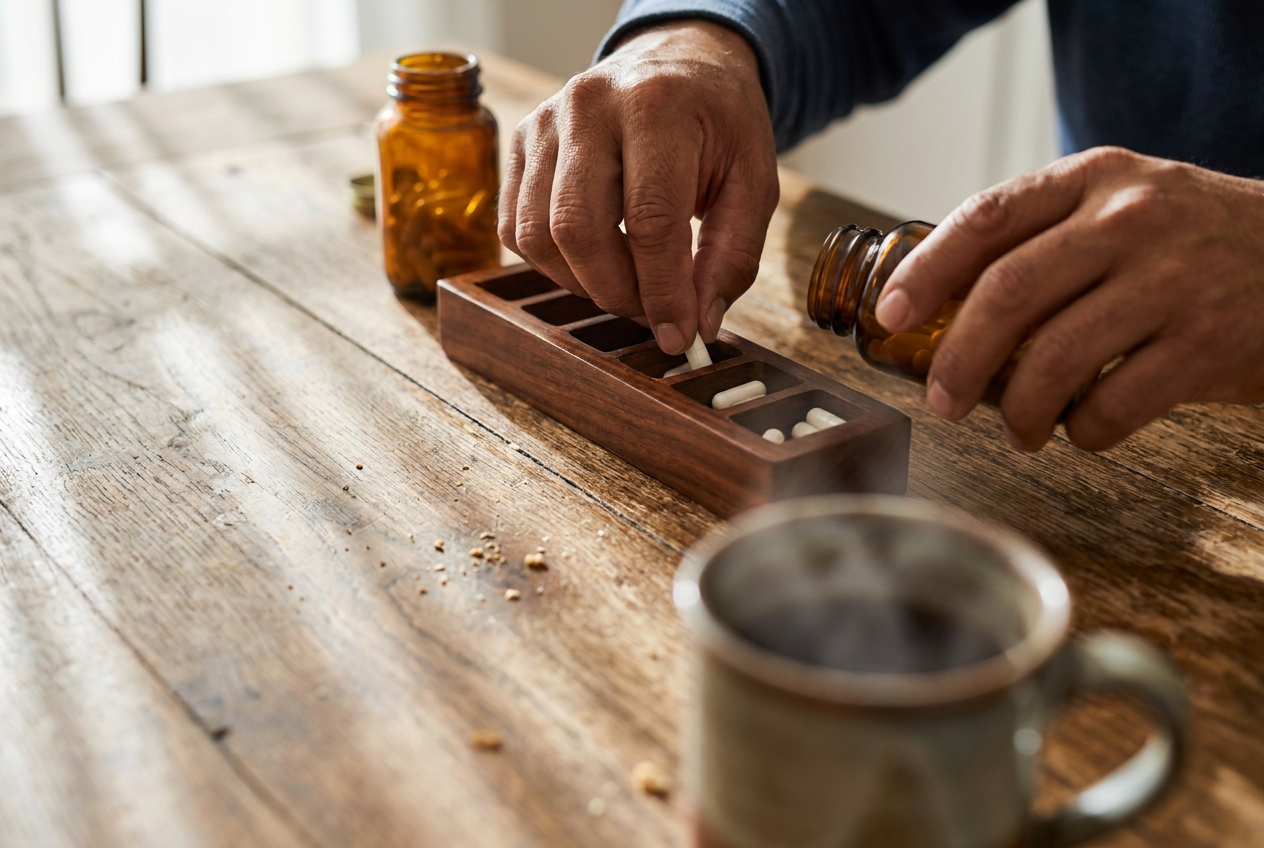
Research indicates that there is no single right answer. Instead, there are two distinct, evidence-based approaches to managing viral load. Understanding these strategies can help you tailor your daily routine with monolaurin for herpes to your specific biological needs.
How Do Antiviral Dosing Strategies Work?
The clinical management of herpes relies on two distinct, evidence-based antiviral dosing strategies. A 2025 systematic review published in the International Journal of Molecular Sciences defines these approaches as either episodic or suppressive therapy.
Episodic Therapy (The Flare-Up Approach)
This involves using short-course, high-dose regimens utilized at the prodrome phase—the very first sign of a tingling, itching, or burning sensation. The goal of episodic use is to rapidly introduce antiviral compounds to help resolve acute lesions and shorten the duration of the outbreak.
Suppressive Therapy (The Daily Approach)
This involves long-term daily maintenance dosing. Rather than waiting for the virus to become active, suppressive therapy provides a continuous baseline of support. The goal is to block viral shedding and prevent recurrences from happening in the first place.
Because monolaurin is a dietary supplement rather than a pharmaceutical drug, many individuals exploring a natural antiviral lifestyle for herpes choose to combine these strategies. They utilize a steady daily dose to maintain microbial balance, and they temporarily increase that intake if stress, illness, or diet triggers an active outbreak.

How Does Monolaurin Target the Herpes Virus?
To understand why both daily and episodic dosing can be effective, we have to look at how monolaurin interacts with the virus itself.
Herpes is an enveloped virus. This means the infectious viral core is surrounded by a protective fatty membrane called a lipid envelope. For the virus to attach to your healthy cells and replicate, this fatty envelope must remain intact.
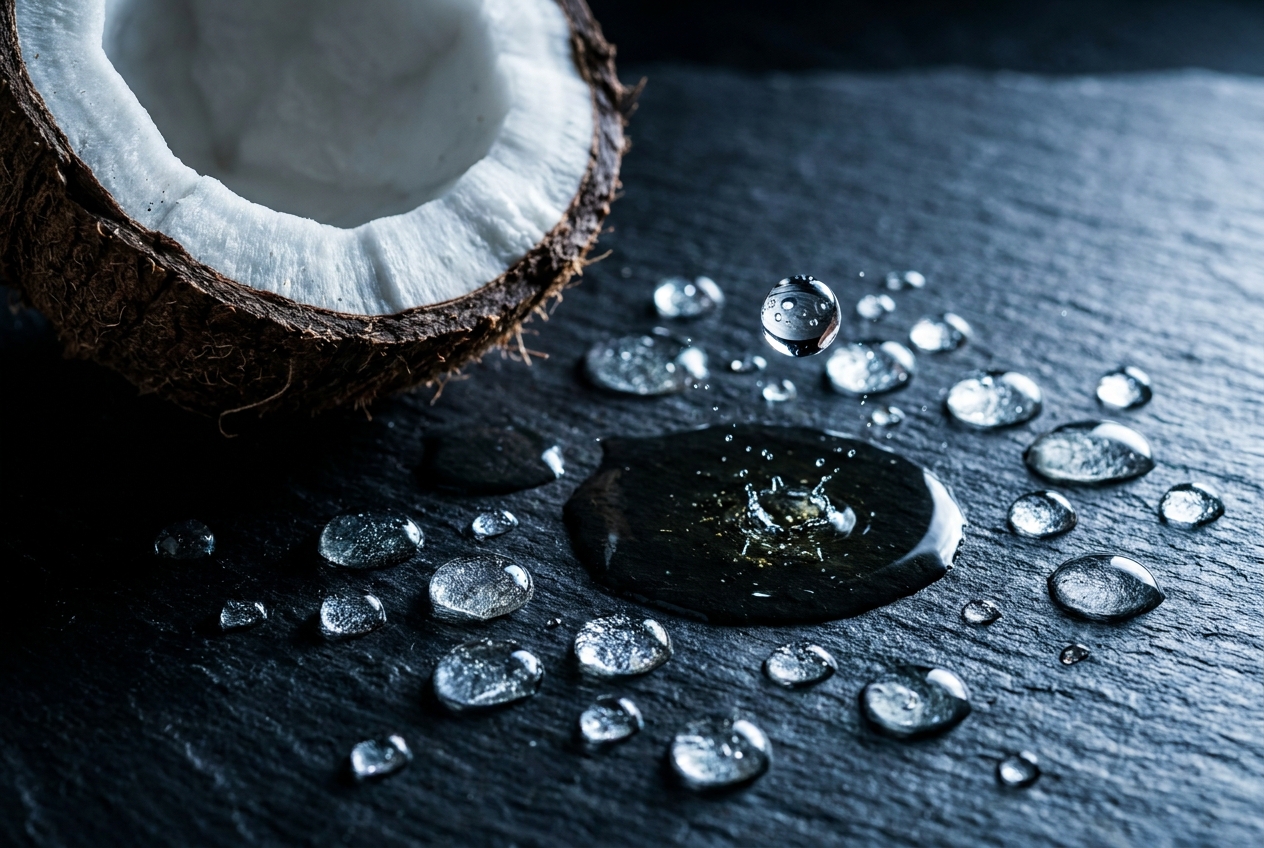
Monolaurin is a compound derived from lauric acid, a fatty acid found naturally in coconut oil and human breast milk. Because monolaurin has a similar structure to the lipids in the viral envelope, it easily absorbs into the virus’s protective layer.
According to a 2026 study in the Journal of Fish Diseases, glycerol monolaurate (monolaurin) exerts potent antiviral effects against herpesviruses by physically disrupting the viral lipid envelope, altering its physicochemical properties, and compromising overall virion stability. By essentially dissolving this protective shield, monolaurin neutralizes the virus and prevents it from binding to host cells.
This in vitro biological mechanism—specifically its ability to solubilize and disintegrate the lipid envelope of the herpes simplex virus—explains why monolaurin can be beneficial during an active outbreak. For a deeper dive into these cellular interactions, you can explore the Monolaurin and Herpes – The Complete Guide.
What Factors Affect Your Daily Routine With Monolaurin?
When figuring out how to use monolaurin daily, several biological and lifestyle factors influence how your body will respond.
- Baseline Immune Resilience: If your immune system is frequently compromised by stress, lack of sleep, or a high-arginine diet, a daily suppressive approach may provide better foundational support than waiting for outbreaks to appear.
- Outbreak Frequency: Individuals who experience frequent or severe flare-ups often lean toward daily maintenance dosing, whereas those who only experience one outbreak a year might prefer an episodic approach.
- Herxheimer Reactions: When monolaurin successfully breaks down viruses and bacteria, the body must clear out the resulting toxins. If you start with a massive dose during a flare-up, you may experience a Herxheimer reaction (a temporary detox response causing fatigue or mild flu-like symptoms).
Because of this detox effect, starting slow is crucial. General patterns observed in research and clinical practice suggest a specific phased dosage strategy: beginning with 600–1,000 mg daily to avoid detox reactions, followed by a maintenance dose of 1,500–3,000 mg daily for long-term immune resilience. You can review the exact breakdown of these phases in this guide on the Best Monolaurin Dosage For Herpes: Understanding General Patterns.

Frequently Asked Questions
Is monolaurin safe to take long-term?
Research suggests that monolaurin is generally safe for long-term daily use. Because it is a natural derivative of lauric acid, the body metabolizes it similarly to dietary fats. Unlike some pharmaceutical antibiotics or antivirals, monolaurin is not known to damage beneficial gut flora, making continuous maintenance dosing a viable option for most people.
Should I increase my dosage when I feel a prodrome symptom?
Many individuals utilizing monolaurin for herpes outbreaks temporarily double their standard maintenance dose at the first sign of a prodrome (the tingling or itching phase). This short-term, episodic increase aims to flood the system with lipid-disrupting compounds right as the virus attempts to replicate.
How long does monolaurin take to work?
Because monolaurin works by physically degrading the viral envelope rather than stimulating an immediate immune response, it requires time to build up in your system. While some people report feeling support during an acute flare-up within a few days, establishing long-term suppression and noticeable decreases in outbreak frequency usually takes consistent daily use over several weeks to months.
How do I choose the best monolaurin supplement?
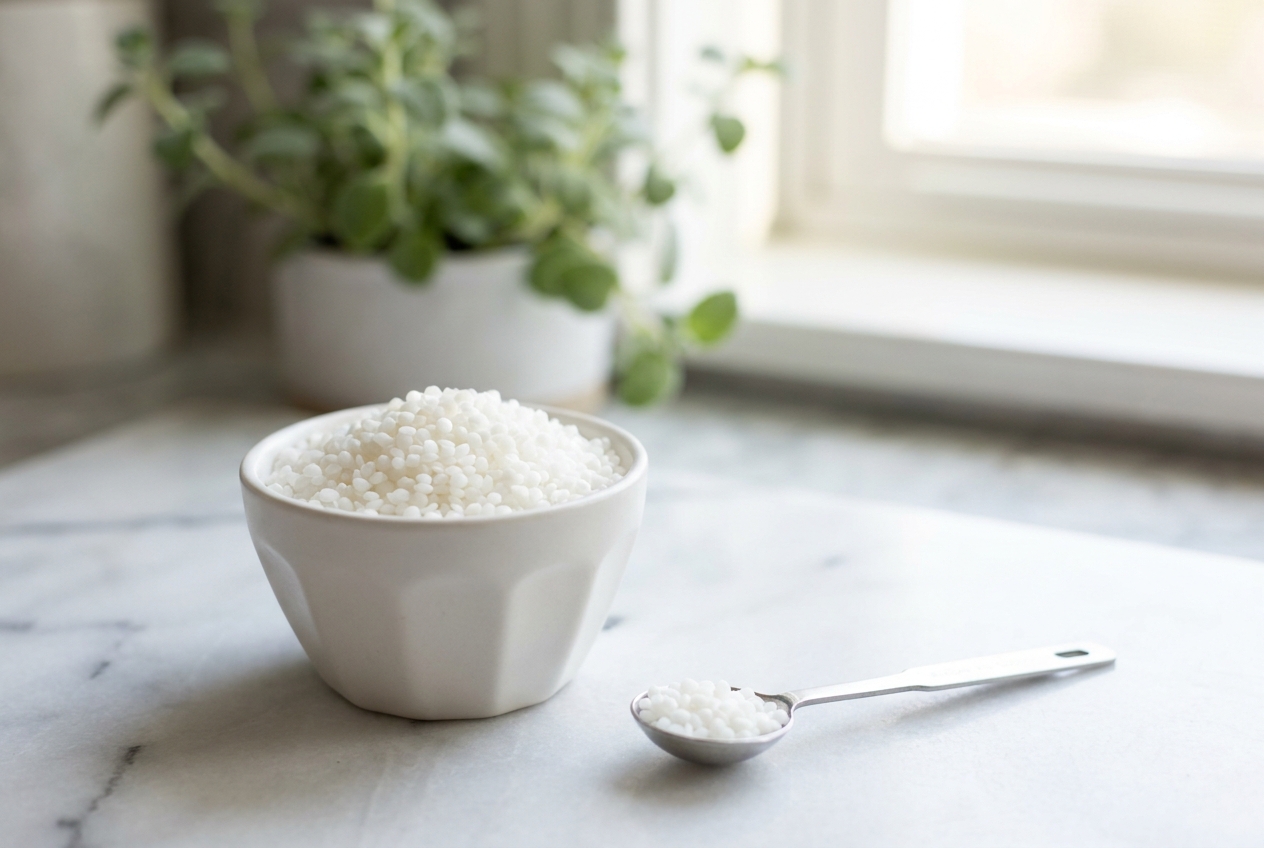
When evaluating the best monolaurin supplements, look for purity and concentration. Some products use raw coconut oil or lower concentrations of lauric acid, which will not provide the same clinical effect as pure monolaurin extract. High-quality capsules or pellets without unnecessary fillers are generally preferred for accurate dosing.
Finding Your Natural Antiviral Lifestyle
Ultimately, the choice between daily maintenance and episodic dosing depends on your unique biology and the severity of your flare-ups. A consistent daily regimen may help you maintain a baseline of microbial balance, while acute dose increases can serve as a targeted response when you feel a tingle coming on.
Remember that while monolaurin antiviral properties are well-documented in research, supplements should be part of a broader lifestyle approach that includes stress management and a balanced diet. If you are ready to evaluate a high-quality product for your routine, you can explore pure, lab-tested options at Shop Monolaurin.
Continue Exploring
- Best Monolaurin Dosage For Herpes: Understanding General Patterns
- Monolaurin and Herpes – The Complete Guide
References
- Journal of Fish Diseases. “Potent Inhibitory Effects of Lauric Acid and Glycerol Monolaurate Against CyHV-2 and the Viral Envelope.” 2026. PubMed
- International Journal of Molecular Sciences. “Topical and Systemic Therapeutic Approaches in the Treatment of Oral Herpes Simplex Virus Infection: A Systematic Review.” 2025. PubMed
- MonolaurinAndHerpes. “Best Monolaurin Dosage For Herpes: Understanding General Patterns.”
- MonolaurinAndHerpes. “Monolaurin and Herpes – The Complete Guide.”