TL;DR
To reduce herpes flare-ups, research suggests adopting a diet that balances specific amino acids by increasing L-lysine and restricting L-arginine. Arginine fuels the virus’s ability to replicate, while lysine competitively blocks its absorption. Pairing a low-arginine diet with targeted immune nutrients like zinc, vitamin C, and monolaurin may support long-term viral suppression and systemic immune resilience.
Key Takeaways
- The herpes simplex virus biologically requires the amino acid arginine to synthesize viral proteins and trigger an outbreak.
- Consuming a diet high in lysine antagonizes arginine absorption, which may limit the raw materials the virus needs for replication.
- Clinical evidence indicates that therapeutic doses of lysine, combined with a strict low-arginine diet, significantly reduce the frequency and severity of flare-ups.
- Synergistic immune nutrients like zinc and vitamin C actively modulate the host immune response and accelerate the healing of acute lesions.
The Amino Acid Tug-of-War: Lysine vs. Arginine
The cornerstone of viral management through diet relies on understanding the relationship between two specific amino acids: L-arginine and L-lysine. These two molecules constantly compete for absorption and utilization within the human body, and the winner of this biochemical tug-of-war directly dictates viral behavior.How Arginine Fuels the Virus
Arginine is not just a trigger for the virus; it is a mandatory structural building block. A study published in the Journal of Virology (2010) found that arginine acts as a critical structural requirement for the HSV-1 regulatory protein ICP27. Specifically, arginine residues within the viral protein’s RGG box motif are essential for the virus to bind to host sequences and efficiently export viral RNA. Without an abundance of arginine, the virus struggles to complete this vital step of replication, keeping it locked in a dormant state.How Lysine Blocks Viral Replication
Lysine serves as the biological countermeasure to arginine. A comprehensive review in Viruses (2023) demonstrates that dietary and supplemental interventions utilizing lysine show significant promise in controlling HSV infection because lysine competitively inhibits arginine. Because both amino acids rely on the same transport pathways to enter cells, flooding the system with lysine physically blocks arginine from being absorbed. This mechanism successfully deprives the virus of the critical substrate it needs to awaken from dormancy and form lesions.
The Anti-Outbreak Diet: Foods to Prioritize
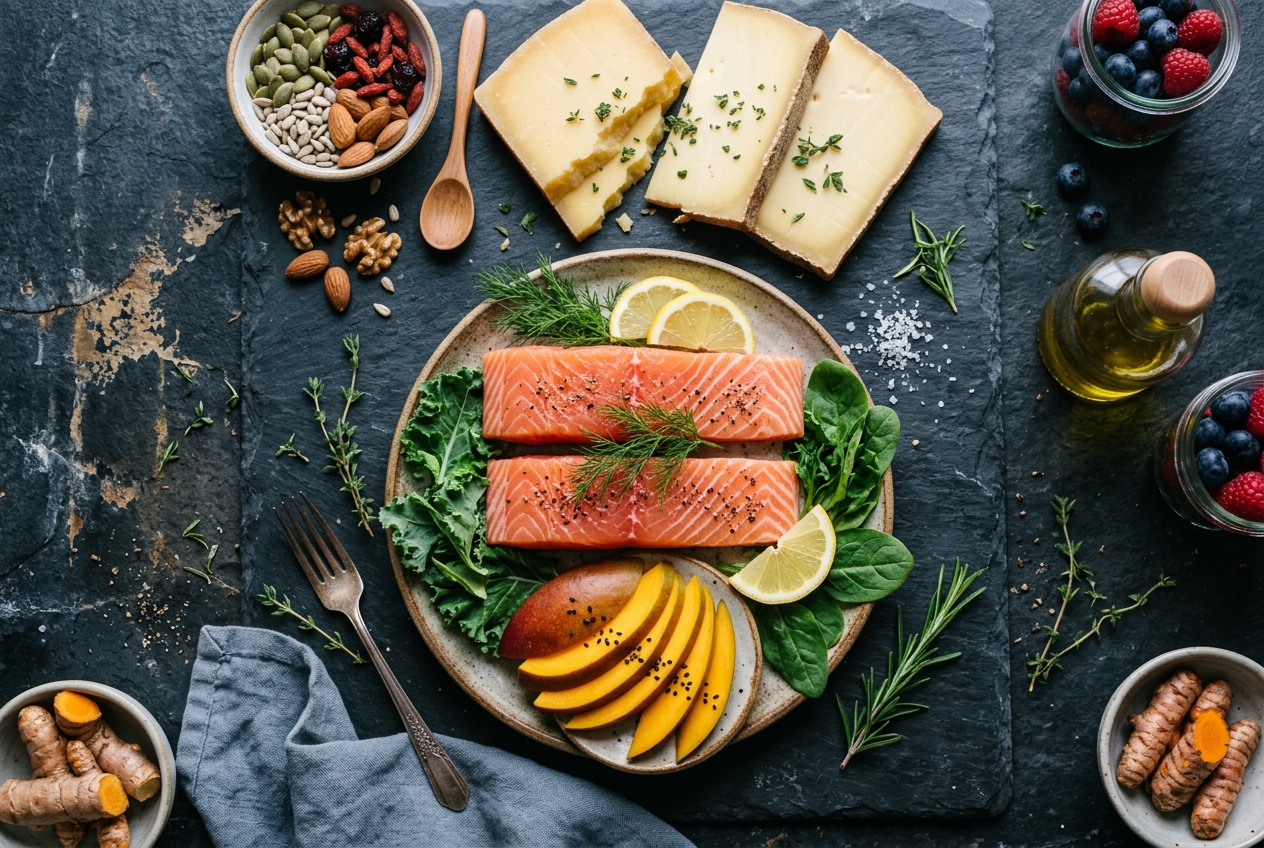
To tip the scales in favor of immune defense, the daily diet must heavily favor foods with a high lysine-to-arginine ratio. These foods provide ample nutritional value while keeping circulating arginine levels low.- Dairy Products: Milk, yogurt, and cheese are among the most efficient sources of bioavailable lysine. Cheeses like parmesan and provolone offer highly concentrated lysine ratios.
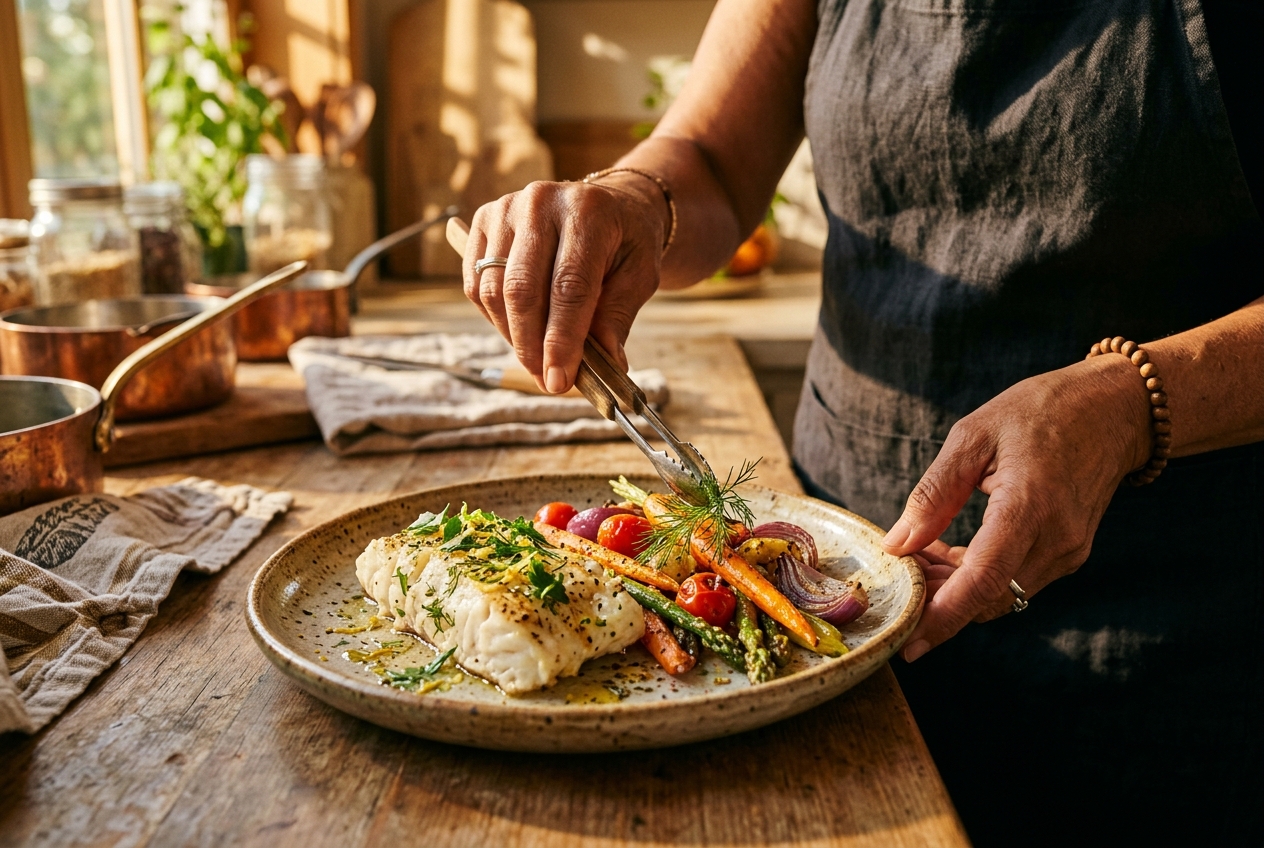
- Wild-Caught Fish and Seafood: Fish, particularly flounder, cod, and salmon, provide excellent lysine levels alongside omega-3 fatty acids, which further support systemic inflammation control.
- Pasture-Raised Poultry and Meats: Chicken, turkey, and beef are naturally high in lysine and low in arginine.
- Select Fruits and Vegetables: Most produce is neutral, but apples, pears, mangoes, and apricots carry favorable ratios.
Trigger Warning: High-Arginine Foods to Avoid
Consuming high-arginine foods directly supplies the virus with the exact proteins it needs to multiply. Individuals seeking to reduce outbreaks must strictly limit or eliminate these categories, especially during periods of high stress or initial viral tingling.- Nuts and Seeds: Peanuts, almonds, walnuts, pumpkin seeds, and sunflower seeds contain exceptionally high levels of arginine. These are among the most common hidden dietary triggers for frequent outbreaks.
- Chocolate and Cocoa: Dark chocolate and cocoa powder are notoriously rich in arginine.
- Gelatin and Collagen Supplements: While popular for skin and joint health, collagen and gelatin are predominantly composed of arginine and lack the balancing presence of lysine.
- Certain Grains: Oats, wheat germ, and buckwheat skew heavily toward arginine, making heavy carbohydrate-based diets less ideal for viral management.

Enhancing Dietary Defense with Immune Support
While amino acid balancing forms the foundation of viral suppression, maintaining long-term resilience requires a broader approach to immune health. Immune support supplements for herpes are highly researched for their ability to reinforce the host’s natural defenses against reactivation.The Role of Zinc and Vitamin C
A large-scale analysis of 6,483 individuals published in BMC Infectious Diseases (2026) revealed a clear U-shaped association between dietary zinc intake and HSV seropositivity. Moderate and optimized zinc intake provides a significant protective immunological effect against both HSV-1 and HSV-2 strains, lowering overall host susceptibility. Furthermore, Alternative Medicine Review (2006) notes that targeted nutritional interventions utilizing Vitamin C, zinc, and lysine serve as highly effective protocols. These synergistic immune nutrients actively accelerate the healing rate of acute HSV lesions and modulate host immune responses to prevent future recurrences.Combining Dietary Adjustments with Monolaurin
Beyond basic vitamins and minerals, many individuals explore specialized compounds like monolaurin. Derived from lauric acid—a medium-chain fatty acid naturally found in coconut oil and breast milk—monolaurin is widely studied for its ability to support healthy microbial balance. While it is not a medical treatment, research suggests that monolaurin integrates smoothly into a broader immune strategy. Many people incorporate lysine and monolaurin together, using lysine to starve the virus of raw materials while relying on monolaurin to support systemic immune resilience.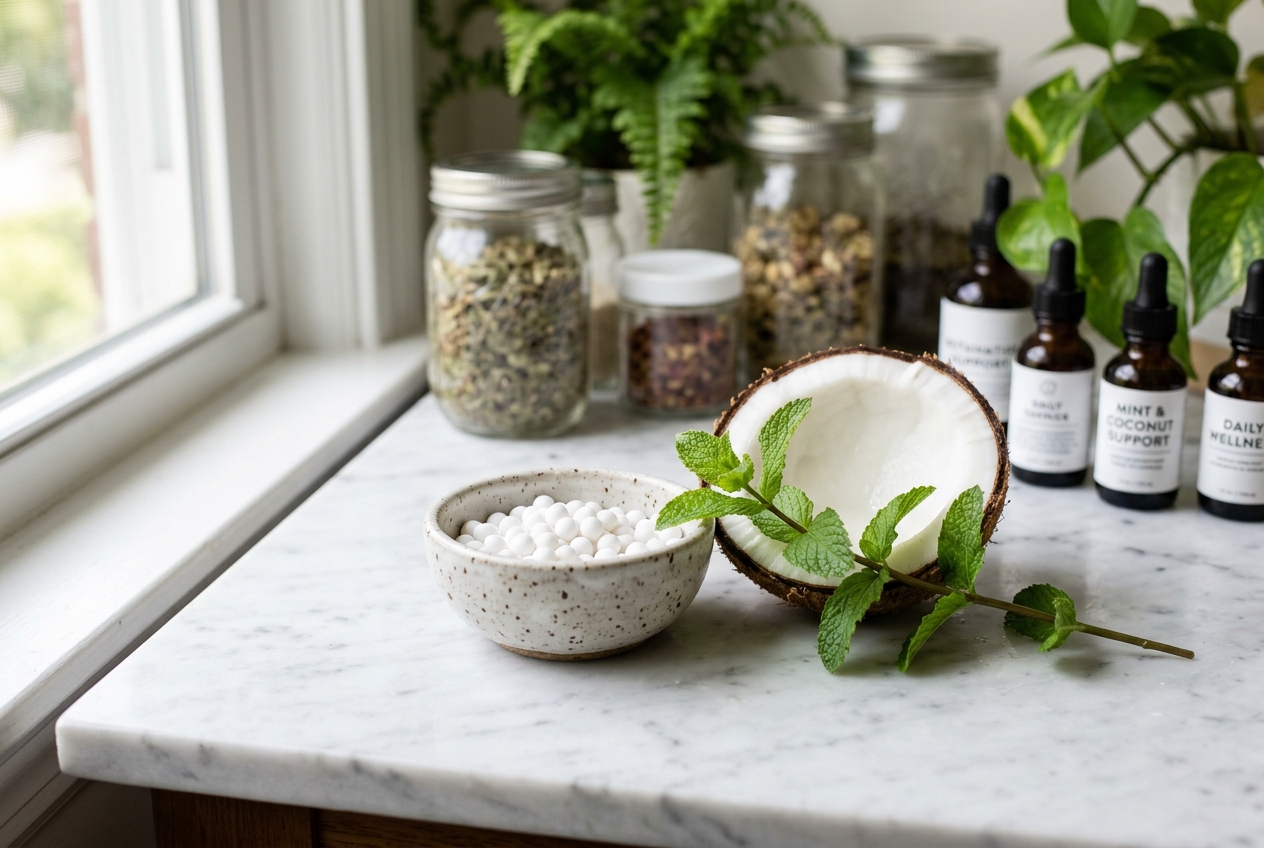
Frequently Asked Questions
Does a high-lysine diet stop outbreaks completely?
While a high-lysine diet creates a highly unfavorable environment for viral replication, it does not cure the virus. However, strictly maintaining a high lysine-to-arginine ratio significantly reduces the frequency, severity, and duration of flare-ups for most individuals.Can I still eat chocolate if I have herpes?
Chocolate is extremely high in arginine, making it a common trigger for outbreaks. If you choose to consume chocolate, it is recommended to simultaneously take a therapeutic dose of an L-lysine supplement to forcefully offset the influx of arginine.How much lysine should I take for herpes?
A 2017 review in Integrative Medicine reports that dose matters. Doses below 1 gram per day appear ineffective without a strict low-arginine diet, whereas doses exceeding 3 grams per day appear to improve patients’ subjective experience of the condition. The review calls for longer controlled studies before its role in prophylaxis can be settled.Are there natural alternatives to antiviral drugs herpes?
Dietary management, high-dose lysine, zinc, vitamin C, and monolaurin are heavily utilized as natural protocols to support immune function. While they do not replace prescribed medications like valacyclovir during severe acute infections, they act as powerful daily foundational support for long-term management.
Building a Resilient Daily Routine
Understanding monolaurin and herpes within the broader context of nutritional immunology empowers individuals to take control of their daily habits. A successful protocol is not about perfect restriction, but consistent biological balance. When evaluating how to integrate these concepts into a daily routine, the quality of your nutritional inputs matters immensely. If you choose to explore monolaurin as part of your immune-supporting stack, look for pure pellet formulations rather than capsules, which often contain synthetic fillers and excipients that dilute efficacy. Pure monolaurin ensures you are receiving the active compound exactly as nature intended. To explore pure, filler-free monolaurin options designed to support your daily immune resilience, visit https://www.shopmonolaurin.com/.References
- Journal of Virology, 2010. “Three arginine residues within the RGG box are crucial for ICP27 binding to herpes simplex virus 1 GC-rich sequences and for efficient viral RNA export.” https://doi.org/10.1128/JVI.00509-10
- Viruses, 2023. “A Narrative Review of Alternative Symptomatic Treatments for Herpes Simplex Virus.” https://doi.org/10.3390/v15061314
- Integrative Medicine, 2017. “Lysine for Herpes Simplex Prophylaxis: A Review of the Evidence.” https://pubmed.ncbi.nlm.nih.gov/30881246/
- BMC Infectious Diseases, 2026. “Association between dietary zinc intake and herpes simplex virus seropositivity in U.S. adults: a cross-sectional study.” https://doi.org/10.1186/s12879-026-12927-1
- Alternative Medicine Review, 2006. “Natural remedies for Herpes simplex.” https://pubmed.ncbi.nlm.nih.gov/16813459/