TL;DR
Monolaurin targets the herpes simplex virus (HSV) by attacking its structural integrity. Research suggests it works by disintegrating the protective lipid envelope surrounding the virus, which prevents it from attaching to host cells. Emerging evidence also indicates monolaurin may interfere with the intracellular viral replication cycle, further reducing viral infectivity.
Key Takeaways
- Monolaurin is a naturally occurring compound derived from lauric acid that demonstrates notable interactions with enveloped viruses.
- Evidence suggests monolaurin directly dissolves the viral lipid envelope of the herpes simplex virus (HSV).
- By stripping away this protective layer, the virus loses its ability to bind to and infect healthy human cells.
- Emerging studies indicate monolaurin may also disrupt the intracellular viral replication cycle once a virus enters a host cell.
- Current research is primarily based on in vitro (test tube) and animal studies, requiring careful interpretation when considering human applications.
The Target: Understanding the Viral Lipid Envelope
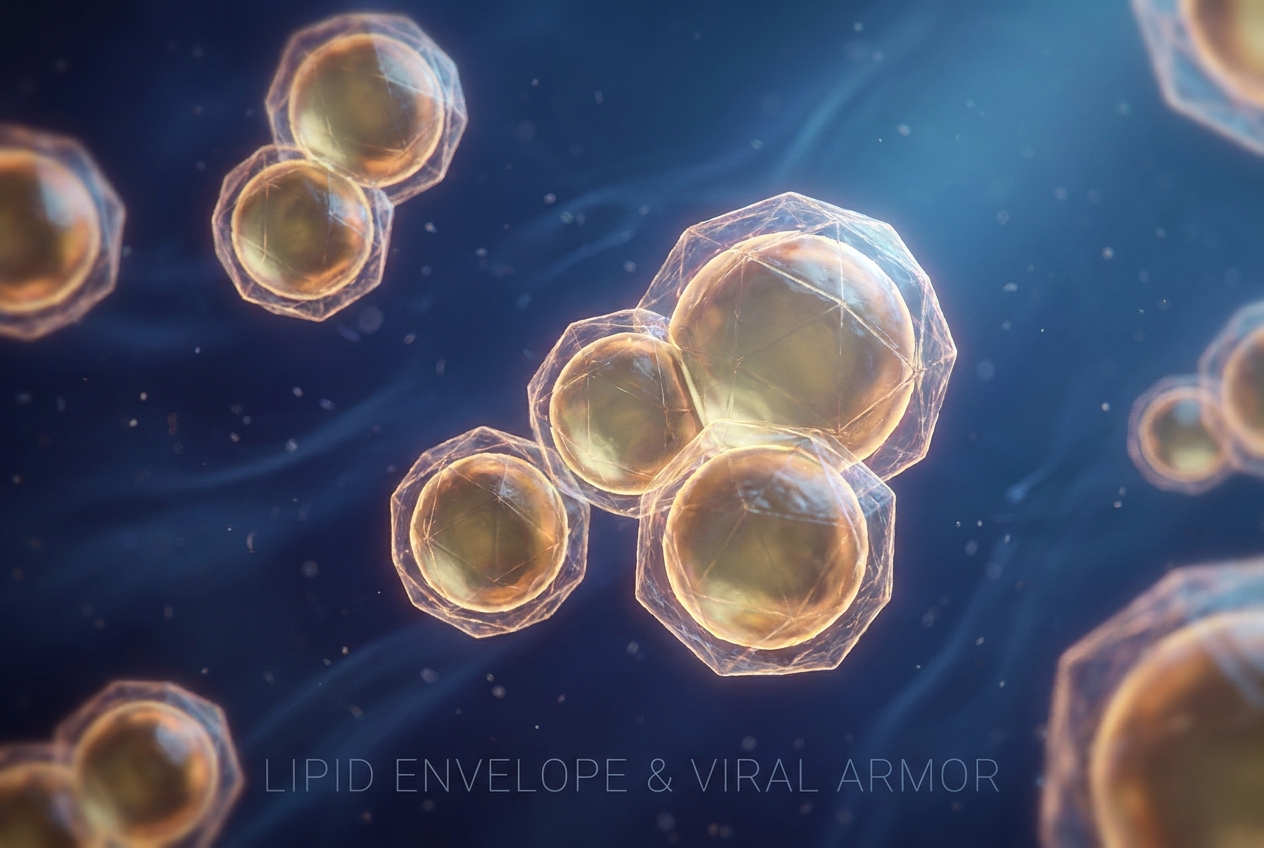
The herpes simplex virus (HSV) is remarkably resilient, largely due to its structural design. Whether discussing HSV-1 or HSV-2, one of the most common questions regarding immune support and microbial balance is how natural compounds interact with the virus at a biological level. Many people explore monolaurin, a chemical compound derived from lauric acid (found in coconut oil and human breast milk), to understand its potential role in immune resilience. When investigating how monolaurin works against viruses, the scientific focus isn’t on a generalized immune boost. Instead, researchers look at a very specific structural interaction between the compound and the virus itself. The core of this interaction lies in the virus’s outer armor: the lipid envelope. To understand how monolaurin interacts with the herpes virus, we must first look at how HSV is built. The herpes simplex virus is categorized as an enveloped virus. This means its core genetic material is encased in a protective outer layer made of lipids (fats) and glycoproteins. This lipid envelope serves a critical function. It protects the virus from environmental threats and, crucially, allows the virus to attach to and penetrate human host cells. Without an intact lipid envelope, the virus becomes inert—it cannot bind to cell receptors, effectively halting its ability to establish an infection.The Mechanism: How Monolaurin Disrupts the Viral Armor
Monolaurin (scientifically known as glycerol monolaurate) is a lipid-like molecule. Because of its specific chemical structure, it has an affinity for the fatty outer layer of enveloped viruses. A foundational in vitro study published in the Journal of Food Safety by Hierholzer and Kabara demonstrated that monolaurin reduced the infectivity of 14 human enveloped DNA and RNA viruses by greater than 99.9%. The study confirmed that monolaurin achieves this by directly disintegrating the protective viral lipid envelope. When monolaurin comes into contact with HSV, it incorporates itself into the viral envelope, destabilizing the membrane until it ultimately breaks apart. Once the envelope dissolves, the virus is left exposed and unable to infect host cells.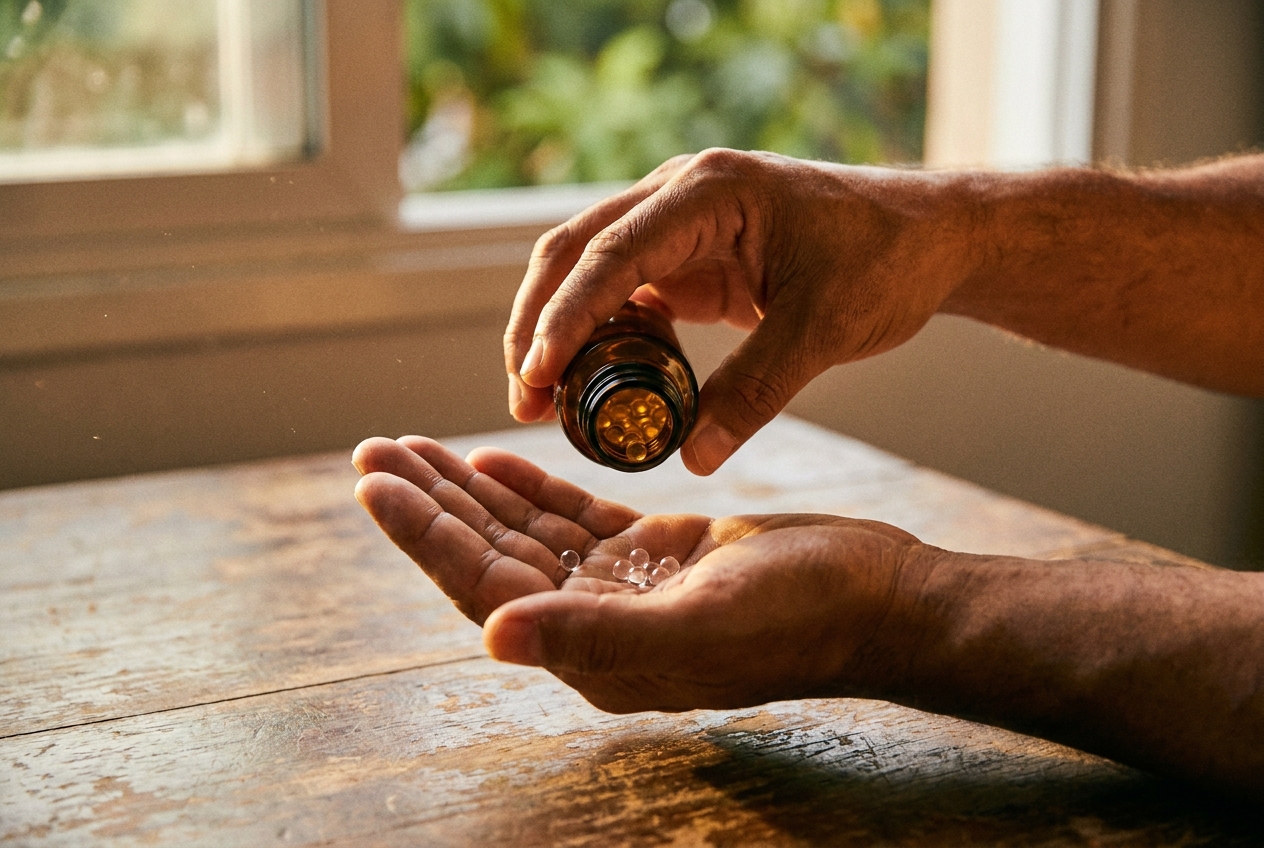
Inhibiting Viral Replication
While envelope disruption is the primary and most established mechanism, emerging research points to secondary actions. Once a virus has already entered a cell, it hijacks the cell’s machinery to multiply—a process known as intracellular viral replication. Recent evidence suggests monolaurin may interfere with this internal process as well. A 2026 study published in the Journal of Fish Diseases tested glycerol monolaurate against cyprinid herpesvirus 2, a herpesvirus of carp, and reported that the compound significantly inhibits intracellular viral replication while simultaneously disrupting the physicochemical properties of the viral envelope. This suggests a dual-action mechanism: attacking the virus’s exterior before it enters a cell, and disrupting its multiplication cycle if it does.
Evaluating Monolaurin Quality and Research Limitations
When exploring monolaurin and herpes, it is crucial to view the scientific evidence through an objective lens. The mechanisms described above—envelope disruption and replication inhibition—are heavily documented in in vitro (test tube) and animal models. While this provides a clear biological mechanism of action, it is not the same as a clinical human trial. Monolaurin is an educational topic and an immune support tool, not a medical treatment or cure for herpes. For those evaluating monolaurin supplements for daily immune support, quality matters. When choosing a product, consider these neutral buying criteria:- Purity: Look for high-concentration glycerol monolaurate without unnecessary fillers or synthetic binders.
- Format: Monolaurin is available in capsules and pellets; pellets often allow for higher dosing without consuming large amounts of gelatin.
- Sourcing: Ensure the lauric acid source is clearly identified and sustainably harvested.
Frequently Asked Questions
Does monolaurin kill the herpes virus completely?
No natural compound or pharmaceutical drug entirely eradicates the herpes virus from the human body. Monolaurin interacts with active virus particles by dissolving their lipid envelopes, which neutralizes their ability to infect cells, but it does not cure the underlying infection hiding in the nerve ganglia.Is monolaurin an alternative to antiviral medication?
Research suggests monolaurin possesses strong antiviral properties in laboratory settings, but it is classified as a dietary supplement for immune support. It should not be viewed as a medical replacement for prescribed antiviral drugs like acyclovir or valacyclovir.How is lauric acid different from monolaurin?
Lauric acid is the raw, medium-chain fatty acid found in coconut oil. Monolaurin is synthesized when lauric acid is bound to glycerin (forming glycerol monolaurate). Monolaurin is vastly more biologically active against enveloped viruses than pure lauric acid or unrefined coconut oil.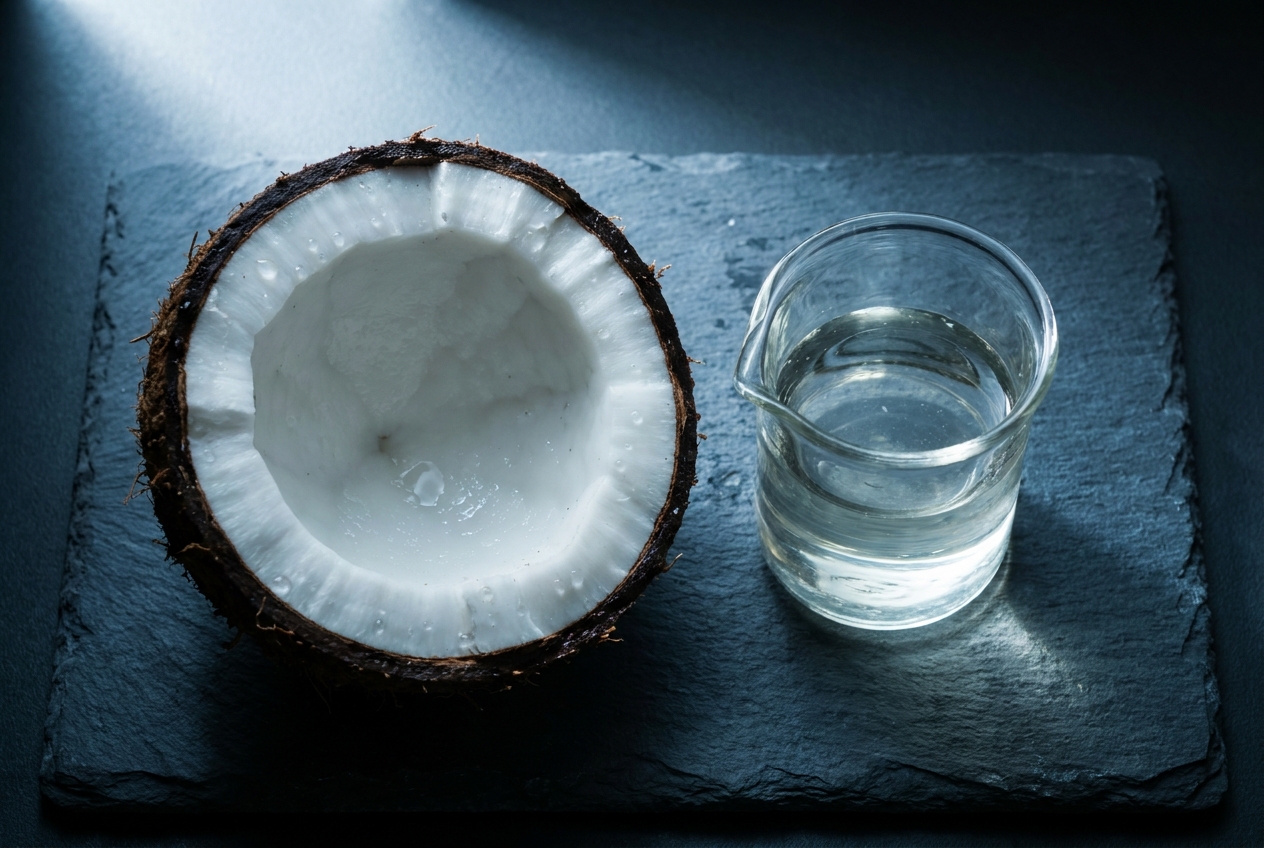
Can monolaurin prevent herpes outbreaks?
While many users include monolaurin in their daily routine for microbial balance, clinical evidence does not definitively prove it prevents outbreaks in humans. In vitro mechanisms show it neutralizes active viral particles, which may support overall immune resilience.Summary
The biological interaction between monolaurin and the herpes simplex virus centers on structural disruption. By targeting and dissolving the lipid envelope that HSV relies on to infect host cells, monolaurin strips the virus of its primary mechanism of attack. Furthermore, emerging data points to its ability to disrupt viral replication cycles inside the cell. While the science behind monolaurin antiviral properties is compelling and rooted in established biochemical principles, it is important to remember that these findings primarily stem from laboratory research. When incorporating monolaurin into an immune support routine, choosing a high-quality supplement and maintaining realistic, health-focused expectations are the best steps forward. For specialized monolaurin supplements, visit Shop Monolaurin to evaluate your options.References
- Hierholzer, J. C., & Kabara, J. J. (1982). In vitro effects of monolaurin compounds on enveloped RNA and DNA viruses. Journal of Food Safety. https://doi.org/10.1111/j.1745-4565.1982.tb00429.x
- Journal of Fish Diseases (2024). Potent Inhibitory Effects of Lauric Acid and Glycerol Monolaurate Against CyHV-2 and the Viral Envelope. https://doi.org/10.1111/jfd.70129