TL;DR
Research suggests that specific natural alternatives may support immune resilience against herpes simplex virus (HSV) outbreaks. Evidence highlights monolaurin, which physically targets viral lipid envelopes, and L-lysine, which inhibits replication when combined with a low-arginine diet. Additionally, topical botanicals like lemon balm may block viral entry at the cellular level.
Key Takeaways
- Monolaurin destabilizes the lipid envelope of enveloped viruses, potentially reducing viral infectivity.
- The dietary ratio of L-lysine to arginine directly influences the replication cycle of the herpes virus.
- Topical application of lemon balm extract has been shown to inhibit viral attachment and penetration into host cells.
- Natural alternatives are designed to support immune function rather than act as medical cures for chronic viral infections.
How Monolaurin Targets Lipid-Coated Viruses
The primary structural vulnerability of HSV is its lipid envelope—a protective outer membrane made of fats. This envelope is essential for the virus to attach to and enter human host cells. Monolaurin, a compound derived from lauric acid found in coconut oil, interacts directly with this lipid layer. Scientific investigation into how monolaurin works against viruses reveals a precise physical interaction. A study published in the Journal of Food Safety found that monolaurin demonstrates potent virucidal activity against human enveloped RNA and DNA viruses. It achieves greater than 99.9% reduction in infectivity by physically disintegrating the viral lipid envelope. When the envelope is destabilized, the virus loses its ability to bind to host cells, halting the infection process at a structural level. It is important to note that many of these observations are based on in vitro (test tube) research, which provides insight into the exact molecular mechanism but represents a different environment than the human body.Topical Inhibition: The Role of Lemon Balm
While systemic approaches target the virus internally, topical natural alternatives address viral activity at the skin level during an active outbreak. Melissa officinalis, commonly known as lemon balm, contains specific phytochemicals that interfere with the viral entry mechanism. A study published in Phytotherapy Research demonstrated that aqueous extracts of lemon balm directly interact with free viral particles, inhibiting host cell attachment and reducing viral penetration by up to 96%. This mechanism remains highly effective even against acyclovir-resistant HSV strains. By blocking the virus from successfully attaching to and penetrating host cell membranes, lemon balm acts as a localized barrier during the early stages of an outbreak.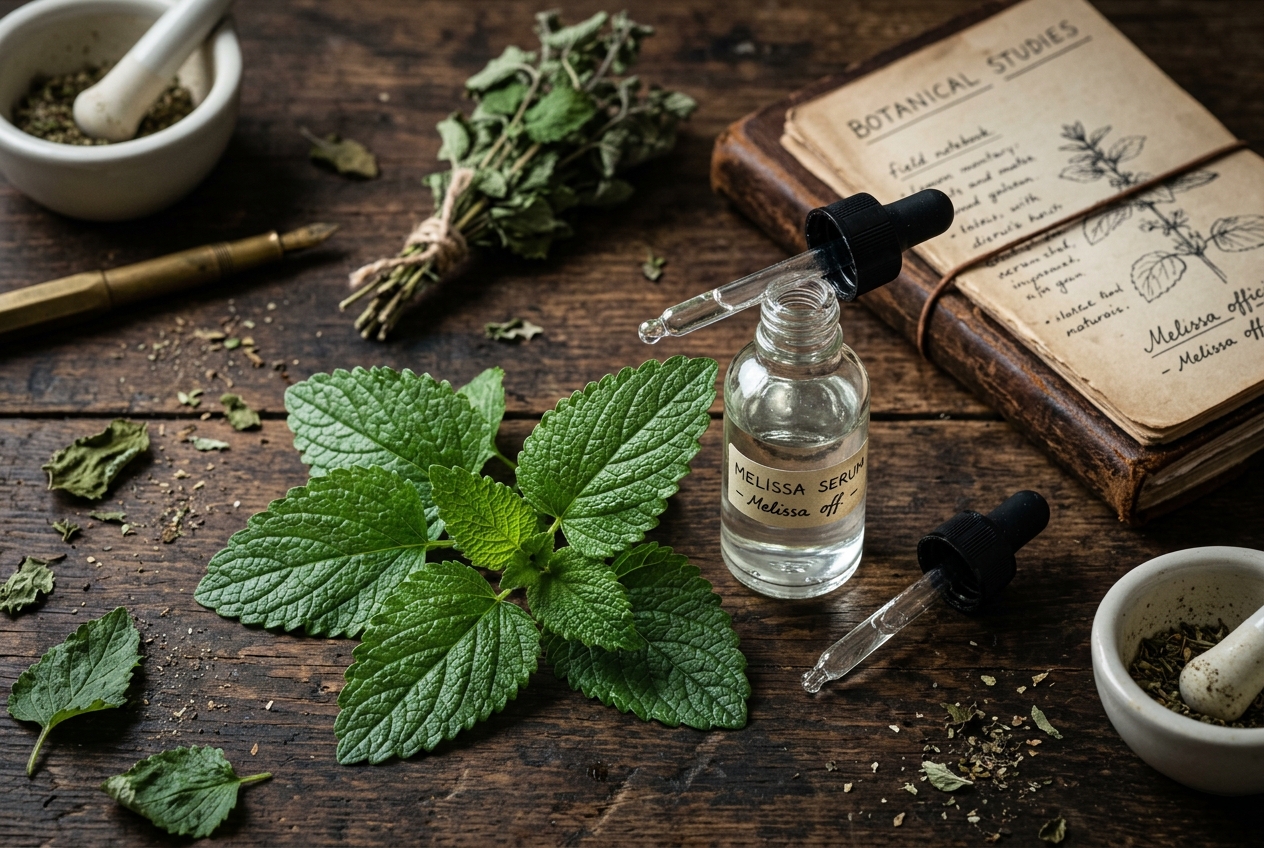
The Metabolic Triggers of Viral Replication
Environmental and internal variables heavily influence whether the herpes virus remains dormant or enters an active replication cycle. Understanding these contributing factors allows for proactive management through dietary and lifestyle adjustments.- The Lysine-to-Arginine Ratio: The amino acid arginine is required for HSV to synthesize the proteins necessary for replication. Conversely, L-lysine acts as an antagonist to arginine. Clinical evidence published in Integrative Medicine indicates that L-lysine supplementation is ineffective for HSV prophylaxis unless paired with a low-arginine diet. Elevated L-lysine doses (exceeding 3 g/day) combined with restricted arginine effectively shift the amino acid ratio to inhibit viral replication and improve patient outcomes.
- Dietary Arginine Sources: Consuming high amounts of nuts, seeds, and chocolate can inadvertently supply the virus with the necessary building blocks for an outbreak, neutralizing the benefits of lysine supplementation.
- Cellular Stress: Physical and emotional stress increase cortisol levels, which directly suppresses the specific immune cells responsible for keeping HSV in a dormant state.

Frequently Asked Questions
Does monolaurin kill the herpes virus?
Monolaurin physically destabilizes the lipid envelope of the herpes simplex virus in laboratory settings. While this action neutralizes free viral particles by stripping their protective coating, it does not eradicate the virus from the body, as HSV permanently resides in nerve ganglia.How much monolaurin should I take for herpes?
The ideal monolaurin dosage for herpes varies depending on individual health status and whether the goal is daily maintenance or acute support. A common monolaurin beginner guide approach suggests starting with a lower daily intake to monitor tolerability before gradually increasing the amount.Is monolaurin better than valacyclovir?
When comparing monolaurin vs acyclovir or valacyclovir, it is crucial to recognize they serve different functions. Prescription antivirals are concentrated pharmaceutical drugs designed to aggressively halt viral DNA synthesis, whereas monolaurin is a natural dietary supplement that may support broader immune balance and viral resistance.Can monolaurin replace antivirals?
Monolaurin is not recognized as a medical replacement for prescription antiviral medications. Many individuals use monolaurin for herpes outbreaks as a complementary part of a broader natural antiviral lifestyle herpes management protocol, rather than a direct substitute for medical treatment.What is the best natural stack for herpes management?
A comprehensive natural stack for herpes management often involves combining monolaurin with lysine and maintaining a low-arginine diet. This combination targets the virus from two distinct angles: monolaurin addresses the viral lipid envelope, while the optimized amino acid ratio restricts the virus’s ability to replicate.Summary
Managing chronic viral activity requires a multifaceted strategy focused on resilience rather than eradication. By integrating natural alternatives like monolaurin, optimized amino acid ratios, and targeted botanical extracts, individuals can proactively support their immune system. The science suggests that these compounds interact with the structural and metabolic vulnerabilities of the herpes virus, offering evidence-based tools for long-term wellness. For those looking to explore high-quality supplementation, ensuring purity and correct formulation is vital. When evaluating products, consider prioritizing pure monolaurin without unnecessary fillers to maximize potential benefits. To learn more or to incorporate these options into your routine, visit Shop Monolaurin for reliable, naturally sourced solutions.References
- Hierholzer et al., IN VITRO EFFECTS OF MONOLAURIN COMPOUNDS ON ENVELOPED RNA AND DNA VIRUSES, Journal of Food Safety, 1982. https://doi.org/10.1111/j.1745-4565.1982.tb00429.x
- Astani et al., Attachment and penetration of acyclovir-resistant herpes simplex virus are inhibited by Melissa officinalis extract, Phytotherapy Research, 2014. https://doi.org/10.1002/ptr.5166
- Mailoo et al., Lysine for Herpes Simplex Prophylaxis: A Review of the Evidence, Integrative Medicine, 2017. https://pubmed.ncbi.nlm.nih.gov/30881246/